

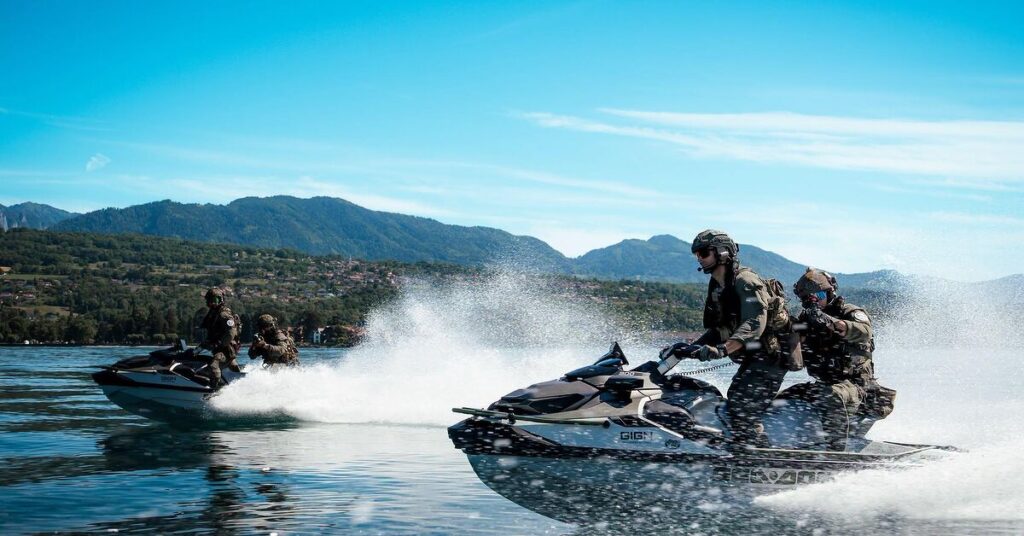
France’s GIGN didn’t just show up for the 2026 G7 in Evian—they owned the ground before the first motorcade rolled in, a textbook demonstration of how a small, highly trained force can project decisive power without turning a lakeside resort into an armed camp. Their layered perimeter, rooftop overwatch, and rapid-reaction teams quietly neutralized the usual protest theater while keeping the optics clean for the cameras, proving that elite marksmanship and disciplined rules of engagement still matter more than sheer numbers when the stakes are global. For American gun owners watching the footage, the takeaway is unmistakable: the same principles that let a few dozen operators secure heads of state are the ones that make an armed citizen the first and best line of defense in their own community.
That quiet competence also underscores why the right to keep and bear arms isn’t just a domestic talking point—it’s a strategic asset. When governments rely on specialized units drawn from a population already steeped in firearms culture, they inherit a deeper bench of talent and a public that understands the difference between a tool and a threat. France’s decision to field GIGN at full strength rather than flood the zone with regular troops sends a message that training, marksmanship, and individual initiative still trump bureaucratic mass, a lesson that resonates every time U.S. states expand constitutional carry or defend range access. The Evian deployment is therefore more than security theater; it’s a real-world reminder that an armed society, properly trained, can protect liberty without surrendering it to permanent checkpoints or endless surveillance.


