

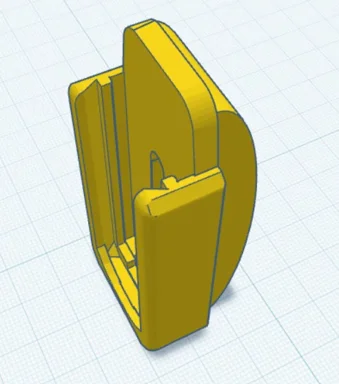
The rounded baseplate for Magpul’s Gen M3 PMAGs is more than a cosmetic tweak; it’s a quiet reminder that the 3-D printing community continues to outpace regulatory attempts to freeze firearm technology in place. By simply rounding the corners of a 20-, 30-, or 40-round magazine, makers eliminate the sharp edges that can snag on gear or print through clothing, all while preserving the magazine’s legendary reliability. The fact that the file prints vertically at 100 % infill with zero supports underscores how far desktop additive manufacturing has come: what once required industrial tooling can now be iterated in a dorm room between classes.
For the broader Second Amendment ecosystem, this small STL file is a case study in decentralized innovation. Every time a new baseplate, grip module, or safety selector appears on a peer-to-peer network, it lowers the barrier for individuals who want to tailor their defensive tools to real-world conditions rather than factory defaults. That capability matters when state legislatures keep floating magazine-capacity restrictions or “feature bans”; an owner who can legally print a rounded plate today may, if tomorrow’s statute demands it, print a compliant fixed-magazine solution instead. In other words, the hardware is becoming as fluid as the politics surrounding it.
Critics will dismiss the file as trivial, yet its very existence signals a cultural shift: rights are no longer defended solely by lawyers and lobbyists; they’re also preserved by makers who treat every component as firmware that can be patched. As long as the underlying data remains legal to possess and share, the community’s ability to remix, repair, and improve will keep the practical exercise of the right to keep and bear arms one step ahead of restriction.


