

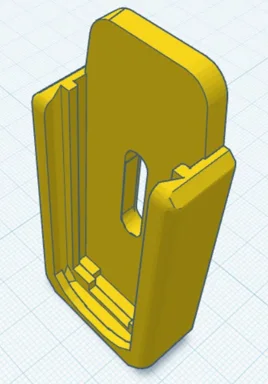
The flat baseplate for Magpul’s Gen M3 PMAGs is more than a simple remix—it’s a quiet reminder that the 2A community continues to treat magazines as modular systems rather than finished products. By allowing users to print a flush, low-profile floorplate for 20-, 30-, and 40-round bodies, the design removes the last remaining “tell” that a magazine is aftermarket. That matters in states where feature bans hinge on cosmetic distinctions; a flat base can make the difference between a magazine that disappears in a pocket and one that prints through fabric. At 100 % infill and zero supports, the file also lowers the barrier to entry: anyone with a stock printer and basic filament can produce a service-grade part in under an hour, reinforcing the principle that magazines are consumables, not heirlooms.
Beyond the practical, the release underscores how quickly open-source files close regulatory gaps. Lawmakers who once counted on scarcity or high cost to limit magazine ownership now face an environment where a single spool of polymer can restock an entire range bag. The community’s rapid iteration—testing compatibility with flush-fit ten-rounders, refining lip geometry, sharing load-bearing data—illustrates a distributed R&D model that no single company or statute can fully police. In that sense, the flat baseplate isn’t just an accessory; it’s evidence that the right to keep and bear arms is migrating from the storefront to the workbench, one layer at a time.


