

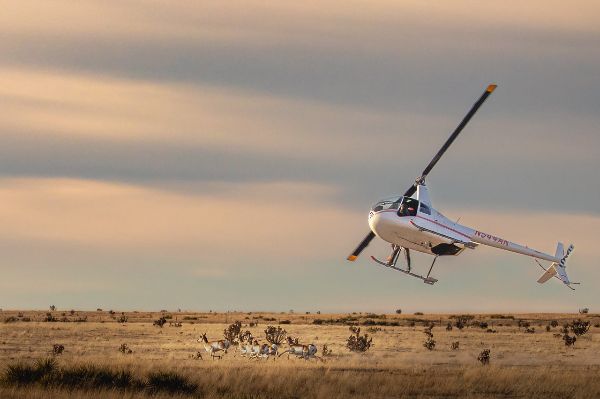
The Pittman-Robertson Act has long been the unsung hero of American wildlife conservation, quietly funneling excise taxes from firearms and ammunition sales into state wildlife agencies that manage everything from whitetail deer to pronghorn antelope. When states like Wyoming and Montana began experimenting with wildlife-friendly fencing modifications—raising the bottom wire and adding smooth top wires to reduce entanglement—they weren’t just helping pronghorn; they were demonstrating how hunter-funded dollars translate into tangible habitat improvements that benefit both game and non-game species alike. These modifications, often costing pennies per foot compared to full fence replacement, show that the same excise-tax revenue stream that supports shooting ranges and hunter education also pays for the very landscapes where hunters pursue their quarry.
For the 2A community, this connection matters because it reframes the tired “guns versus wildlife” narrative pushed by anti-hunting activists. Every time a shooter buys a box of .308 or a new optic, a portion of that purchase is already earmarked for habitat work that keeps pronghorn herds thriving across the West. The fencing projects prove that firearms owners are not merely consumers of the resource; they are its primary financiers. When state wildlife managers report higher fawn survival rates and fewer fence-related mortalities after these retrofits, they are essentially documenting the return on investment that millions of law-abiding gun owners make every year.
The broader implication is strategic: the more visible these success stories become, the harder it is for opponents to portray firearms as antithetical to conservation. Whether the issue is public-land access, lead ammunition debates, or future excise-tax allocations, the Pittman-Robertson model gives the firearms community concrete evidence that its members have been the most reliable stewards of wild places for nearly a century. In an era when every outdoor activity faces regulatory pressure, highlighting how hunter dollars literally keep the fences from fencing wildlife out is both good science and smart politics.


