

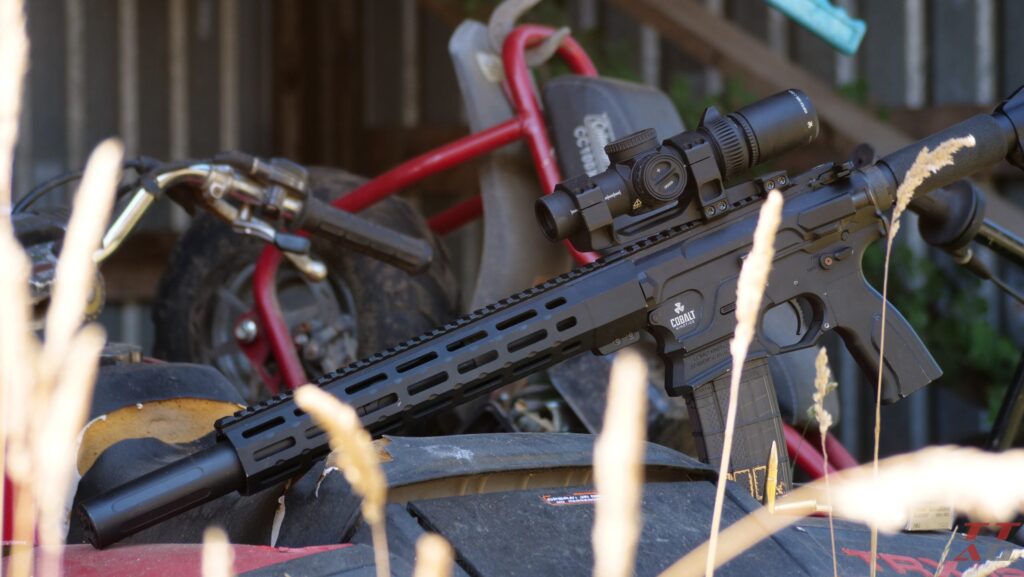
The 300 Blackout has always been a cartridge that rewards thoughtful barrel selection, and when you add a suppressor into the equation the stakes get even higher. Shorter barrels—7.5 to 9 inches—keep the overall package compact and maneuverable, but they also push the gas system closer to its limits once the can is mounted, sometimes requiring an adjustable gas block or heavier buffer to stay reliable. Conversely, a 10.5- or 12.5-inch tube gives you noticeably more velocity, which translates to better terminal performance on game and a cleaner burn that reduces back-pressure and fouling inside the suppressor. The sweet spot for most suppressed SBR builds seems to be right around 10 inches: short enough to stay handy in a vehicle or home-defense role, yet long enough to let subsonic loads stabilize and supersonic loads reach their advertised velocities without excessive blast or erosion at the muzzle device.
For the broader Second Amendment community, this isn’t just an academic debate about ballistics tables; it’s a practical reminder that the right to keep and bear arms includes the right to configure those arms for lawful, responsible use. Suppressed 300 Blackout rifles are quieter, softer-shooting, and often more accurate than their unsuppressed counterparts, which means new shooters are more likely to train longer and more often. That training loop strengthens marksmanship, reinforces safe gun-handling habits, and ultimately produces more confident, competent gun owners—the very people legislators and the media claim to want behind every trigger. When we defend the ability to tailor barrel length, gas systems, and muzzle devices to our specific needs, we’re also defending the principle that law-abiding citizens should be trusted to make those choices for themselves.


