

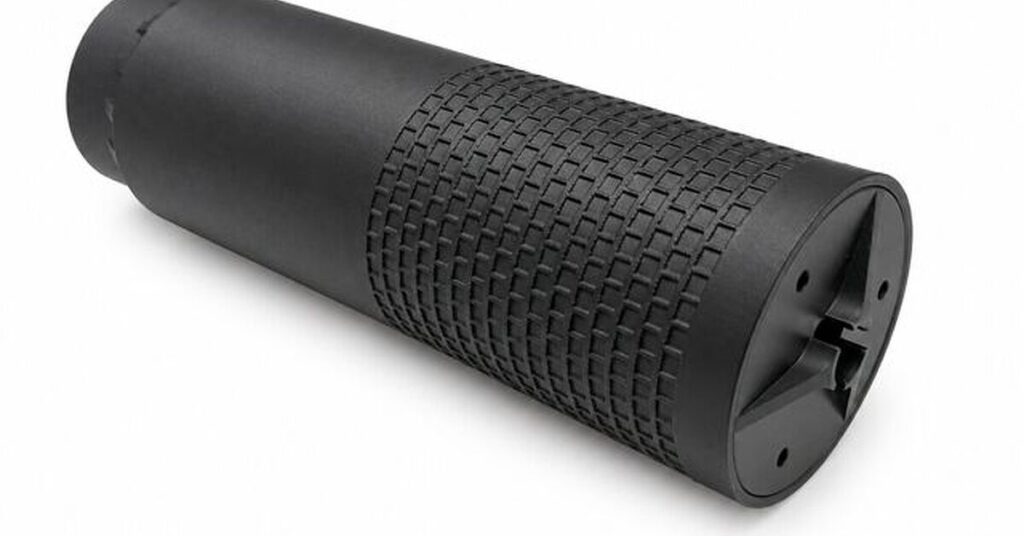
The Infinity 556K’s HUB-pattern rear end is a deliberate nod to the aftermarket ecosystem, yet PEW Science’s data reminds us that the mount is not a neutral adapter—it is the first expansion chamber. When a muzzle device reflects blast back into that chamber, the suppressor’s early venting is throttled, back-pressure climbs, and the measured signature shifts. That is why the lab’s warning is not bureaucratic boilerplate; it is a physics lesson that every shooter who swaps mounts like magazine pouches needs to hear. The Infinity 556K is not a plug-and-play black box; it is a tuned system whose performance envelope is defined as much by what sits in front of it as by the baffles inside it.
For the 2A community this matters because the right to keep and bear arms now includes the right to hear. Suppressors are no longer exotic accessories; they are hearing-protection tools whose effectiveness can be dialed up or down by a few threads of muzzle-device geometry. When a manufacturer like OCL publishes mount-specific guidance instead of blanket HUB compatibility charts, it is practicing the same ethos that gave us the shall-issue shall-not-be-infringed framework: informed, responsible liberty. The data also hands advocates a concrete talking point—sound reduction is measurable, repeatable, and hostage to user choices—so arguments about “silencing” firearms can be met with spectra instead of slogans.
Ultimately, the Infinity 556K story is a microcosm of where the suppressor market is headed: tighter integration between host, mount, and can, and a growing expectation that end-users will treat published numbers as operating parameters rather than marketing copy. That shift rewards shooters who read the manual, punishes those who treat every HUB thread as interchangeable Lego, and quietly strengthens the case that suppressors are safety equipment, not loopholes.


