

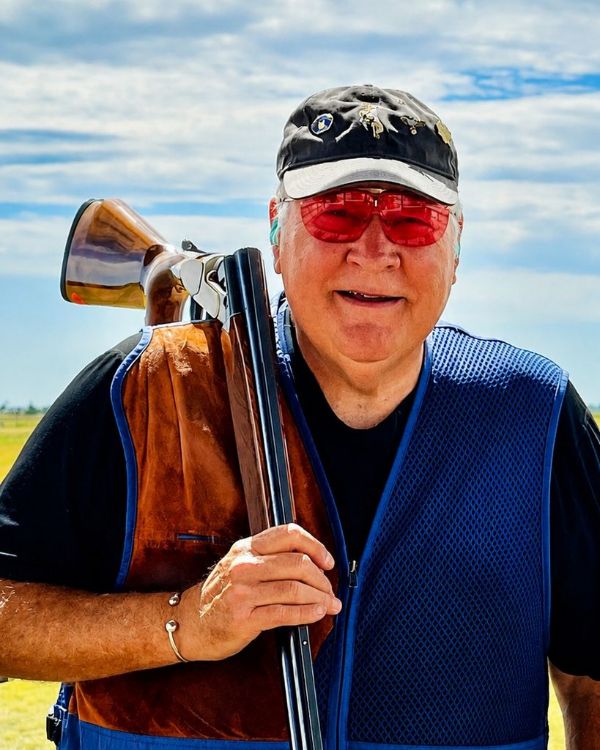
Greg Moats’s passing on July 10, 2026, closes a chapter that began when the Modern Technique of the Pistol was still a radical idea rather than a widely accepted doctrine. While most shooters today take draw-stroke efficiency and the “flash sight picture” for granted, Moats spent decades translating Jeff Cooper’s principles into practical leather and training protocols at Bianchi, then later at Dale Carnegie–style corporate programs that brought defensive mindset into boardrooms. His work quietly standardized the idea that a holster is not merely a carrier but an integral part of the gunfighter’s neural loop—an insight that still drives the ergonomics of every appendix rig and competition holster on the market.
For the broader Second Amendment community, Moats’s legacy is a reminder that rights are preserved by competence as much as by legislation. The same generation that fought the 1994 Assault Weapons Ban also professionalized civilian marksmanship; without instructors like Moats insisting that safe, repeatable gun-handling was non-negotiable, the surge in new carriers after 2020 could have produced a public-relations liability instead of a durable expansion of lawful self-defense. His insistence that mindset and mechanics must travel together remains the quiet counter-argument to every narrative that frames armed citizens as inherently reckless.
Looking forward, the industry Moats helped shape now faces the twin pressures of liability-conscious insurers and a generation raised on red-dot optics and appendix carry. The question his career poses is whether the next cohort of instructors will treat the Modern Technique as living doctrine—continually stress-tested against new hardware—or allow it to ossify into nostalgia. If they choose the former, Moats’s influence will outlast any single holster model; if the latter, the community risks forgetting why the draw stroke was engineered in the first place.


