

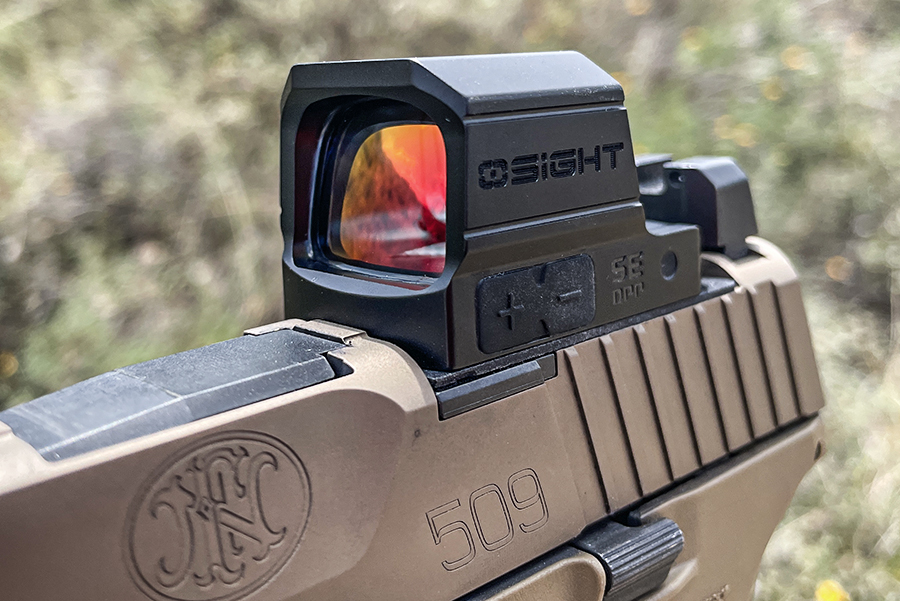
Osight’s decision to stretch the SE platform into a larger DPP footprint is more than a simple size upgrade; it’s a direct response to the growing number of shooters who want an enclosed emitter without surrendering the sight picture they’ve come to expect from full-size competition optics. By scaling the window and housing to match the popular DeltaPoint Pro footprint, Osight is giving Glock MOS, Staccato, and aftermarket slide users a true drop-in enclosed option that doesn’t force them to mill or adapt plates. The move also signals that the brand is listening to the practical competition crowd—where speed and target acquisition matter more than micro-compact concealability—and is willing to compete on the same shelf space as Holosun’s EPS and Trijicon’s RCR.
For the 2A community, this release underscores a larger trend: domestic and overseas manufacturers alike are racing to close the durability gap between open-emitter “range toys” and hard-use duty optics. An enclosed emitter inherently solves the lint-and-lint-trap problem that has plagued slide-mounted dots since their inception, and Osight’s aggressive pricing strategy puts that reliability within reach of first-time red-dot adopters who might otherwise default to iron sights. If the larger SE DPP delivers on battery life, emitter brightness, and shake-awake consistency, it could accelerate the shift away from suppressor-height irons altogether, reinforcing the notion that a quality optic is no longer a luxury but a baseline safety upgrade for any defensive or competition firearm.
Ultimately, the SE DPP’s arrival is another small but tangible victory for consumer choice. The more companies that validate the enclosed-emitter form factor at multiple price points and footprints, the harder it becomes for regulators or liability-driven insurers to argue that optics are niche accessories rather than standard equipment. In a policy environment where magazine capacity and feature bans dominate headlines, incremental product improvements like this quietly strengthen the case that modern firearms technology is evolving toward safer, more capable defensive tools—and that law-abiding gun owners are the ones driving that evolution.


