

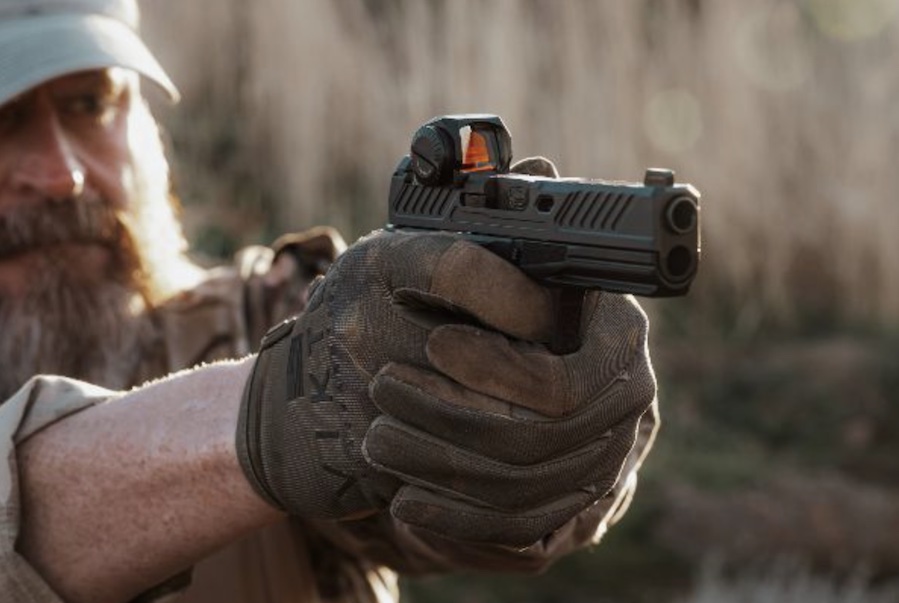
Orr and Caras are betting that the next leap in pistol performance won’t come from another striker-fired frame or a lighter trigger, but from shooters finally learning how to run a red dot like a pipe hitter instead of a range tourist. Their forthcoming guide promises to treat the optic not as a gadget but as a force-multiplier that rewards aggressive fundamentals—drawing to the dot, tracking through recoil, and using the larger sight picture to stay on threat longer. That framing matters because it pushes back against the lingering “dots are for competition only” mindset still common among some defensive-minded carriers; if the book delivers on its title, it could accelerate the shift toward optics as standard equipment rather than optional upgrades.
For the broader 2A community the timing is significant. As more states codify constitutional carry and departments quietly migrate toward red-dot duty guns, the practical knowledge gap between early adopters and the average concealed carrier is widening. A no-nonsense manual aimed at “pipe hitters” rather than gamers could shorten that curve, giving working professionals and prepared citizens the same data-driven techniques previously locked inside high-end instructor circles. The downstream effect is cultural as much as technical: once optics stop being exotic, arguments against magazine-capacity limits, feature bans, and “safe-handling” rules lose their veneer of reasonableness, because an armed citizen who can actually use a modern sighting system is harder to dismiss as a liability.
Ultimately the project underscores a quiet truth the industry sometimes forgets—gear only matters when the end user knows how to exploit it under stress. By packaging hard-won optic doctrine in language the fighting community already respects, Orr and Caras are doing more than selling a book; they’re reinforcing the idea that individual skill remains the most durable check on overreach. If the guide lives up to its promise, expect range chatter, training syllabi, and even policy debates to tilt a little further toward the shooters who treat red dots as tools of violence rather than accessories.


