

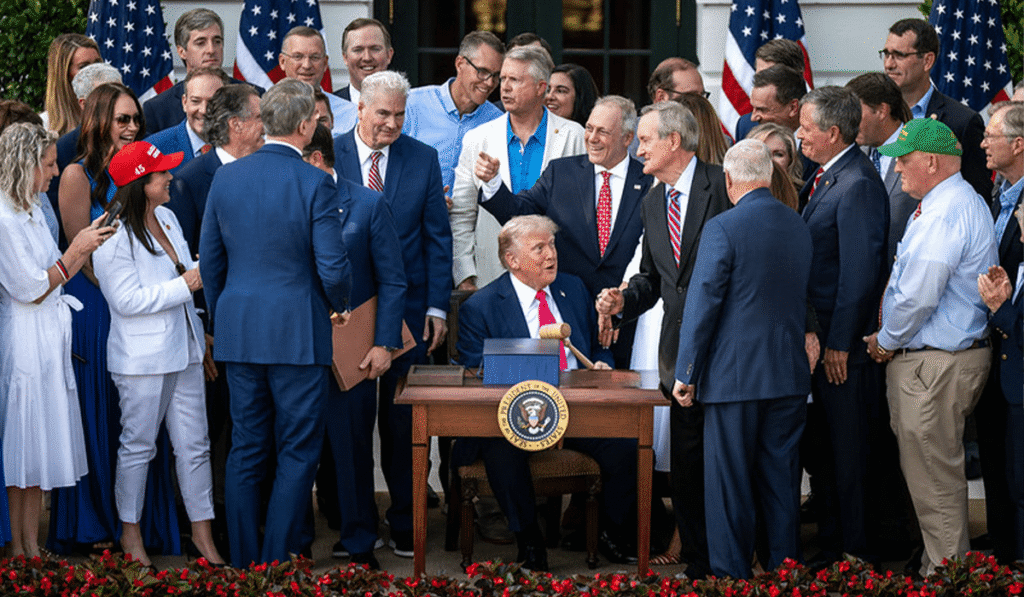
The One Big, Beautiful Bill Act may not have delivered the Hearing Protection Act or the SHORT Act that gun owners were hoping for, but it still marks a meaningful shift in how Washington treats the firearms industry and its customers. By rolling back certain regulatory choke points and easing compliance burdens that had ballooned under previous administrations, the legislation signals that Congress is finally willing to treat lawful gun ownership as an economic and cultural asset rather than a problem to be managed. That matters, because every reduction in paperwork, tax friction, or arbitrary restriction frees up capital for manufacturers to innovate and for everyday Americans to exercise their rights without jumping through extra hoops.
What’s equally important is what didn’t happen: no new magazine bans, no expanded “assault weapon” definitions, and no fresh NFA hurdles slipped in under the radar. In an era when anti-2A forces usually try to attach poison pills to must-pass spending bills, the absence of those measures is itself a victory and a reminder that sustained political pressure works. The industry now has breathing room to focus on next-generation suppressors, modular rifle platforms, and training technologies that were previously slowed by regulatory uncertainty.
Looking ahead, the real test will be whether pro-2A lawmakers use this momentum to finish the job on the Hearing Protection and SHORT Acts rather than declare mission accomplished. The OBBB proves that targeted deregulation can pass when framed as economic and public-safety policy instead of pure gun rights rhetoric. If the community stays organized and keeps those two bills at the top of the legislative to-do list, the next spending vehicle could finally deliver the suppressor reform and semi-auto protections that millions of owners have waited years to see.


