

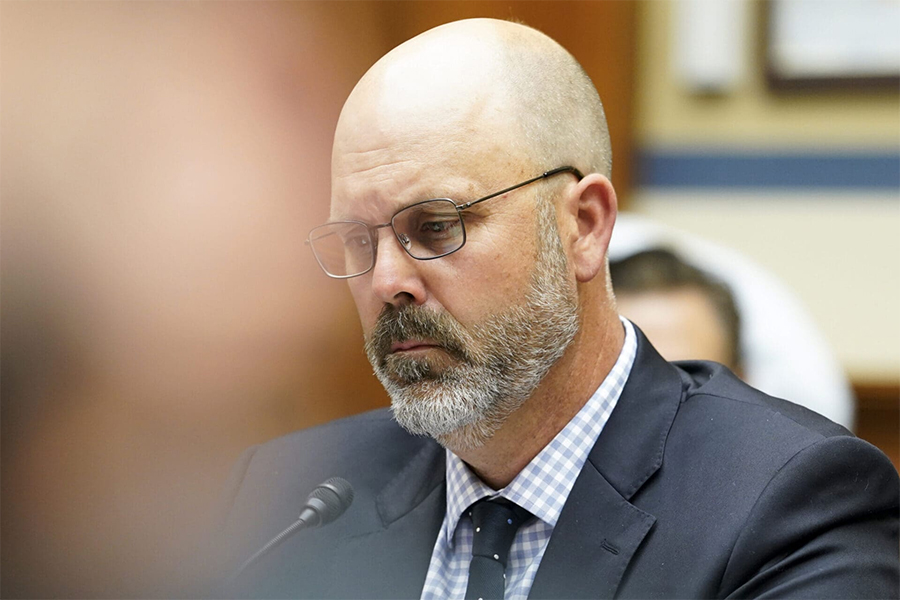
Montana voters have once again shown they can spot a carpetbagger when they see one, handing Ryan Busse another decisive defeat after he tried to ride a wave of out-of-state gun-control money into statewide office. Busse’s campaign leaned heavily on the same tired playbook—portraying law-abiding gun owners as the problem while quietly courting funding from coastal foundations that view the Second Amendment as an obstacle rather than a birthright. The result was predictable: rural and suburban Montanans rejected the narrative that more restrictions equal more safety, especially when those restrictions come wrapped in slick ads funded by people who have never hauled a rifle through the high country or taught a child hunter safety on a crisp October morning.
What makes this loss particularly telling is how little has changed since Busse’s last run. He doubled down on the same messaging that already failed him, banking on the idea that demographic shifts or pandemic-era anxiety would finally make Montana receptive to California-style gun laws. Instead, voters saw through the rebrand and recognized that his “common-sense” proposals were the same incremental infringements that have turned once-free states into shall-issue battlegrounds. For the broader 2A community, the takeaway is clear: persistence matters. Groups that treat every election cycle as another opportunity to normalize restrictions will keep testing the waters, but consistent, grassroots pushback—rooted in lived experience rather than polling data—continues to hold the line in places where the right to keep and bear arms is still understood as essential to self-reliance and liberty.
Looking ahead, this repeat rejection sends a signal that Montana remains a firewall against the national gun-control agenda, even as neighboring states flirt with magazine bans and red-flag expansions. It also underscores the value of electing candidates who treat the Second Amendment as non-negotiable rather than a bargaining chip. For pro-2A advocates elsewhere, the lesson is to keep exposing the funding trails and the revolving door between paid activists and political office; when voters understand that the person knocking on their door is more accountable to distant donors than to their own neighbors, the choice becomes much simpler. Montana just proved it again.


