

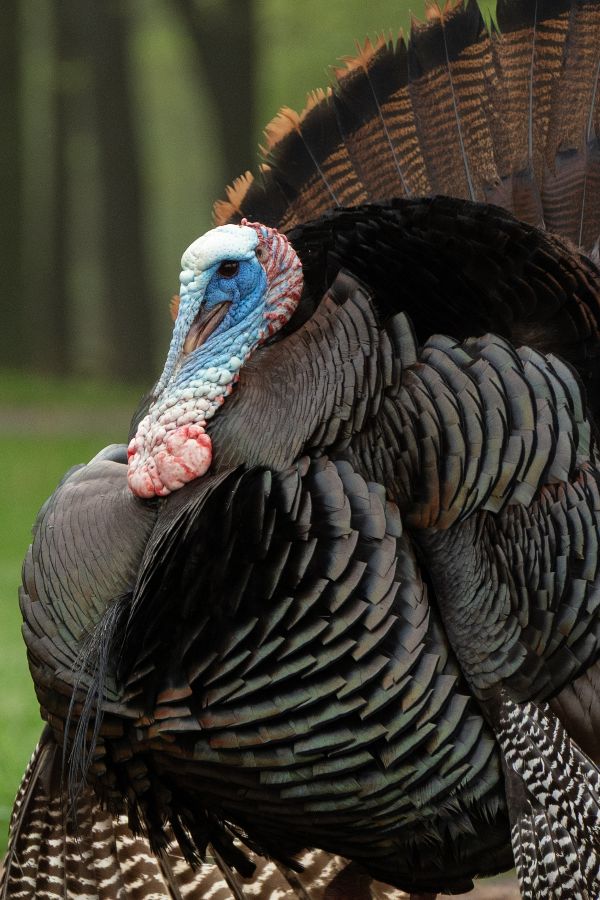
Ohio’s spring turkey harvest of 15,887 birds isn’t just a wildlife statistic—it’s a real-time referendum on how private-land access, hunter participation, and sound biological management keep working even as anti-hunting voices grow louder. The fact that the Division of Wildlife partnered with Ohio State researchers to track hen survival and gobbling activity shows the state is doubling down on data rather than emotion, the same evidence-based approach that has repeatedly protected the Second Amendment from reflexive restrictions. When hunters can demonstrate that regulated harvest sustains healthy populations, they blunt the narrative that firearms and traditional outdoor pursuits are incompatible with conservation.
For the 2A community the takeaway is straightforward: every spring tag filled is another data point proving that law-abiding citizens who own and use firearms responsibly are also the primary funders and stewards of game management. License sales, excise taxes on ammunition and firearms, and the boots-on-the-ground presence of hunters all translate into habitat work and population monitoring that no federal grant or urban referendum could replicate. If the harvest numbers hold or climb next year, Ohio’s model becomes harder for neighboring states to dismiss when they face their own attempts to limit magazine capacity or ban certain firearms under the guise of “public safety.”
The broader implication is that turkey season is no longer just a rite of spring; it’s quiet but powerful proof that the right to keep and bear arms and the right to hunt remain mutually reinforcing. As long as hunters continue to deliver measurable conservation results, attempts to sever that link will keep running into the inconvenient reality that the people most invested in healthy wild turkey populations are the same ones exercising their constitutional rights afield every April.


