

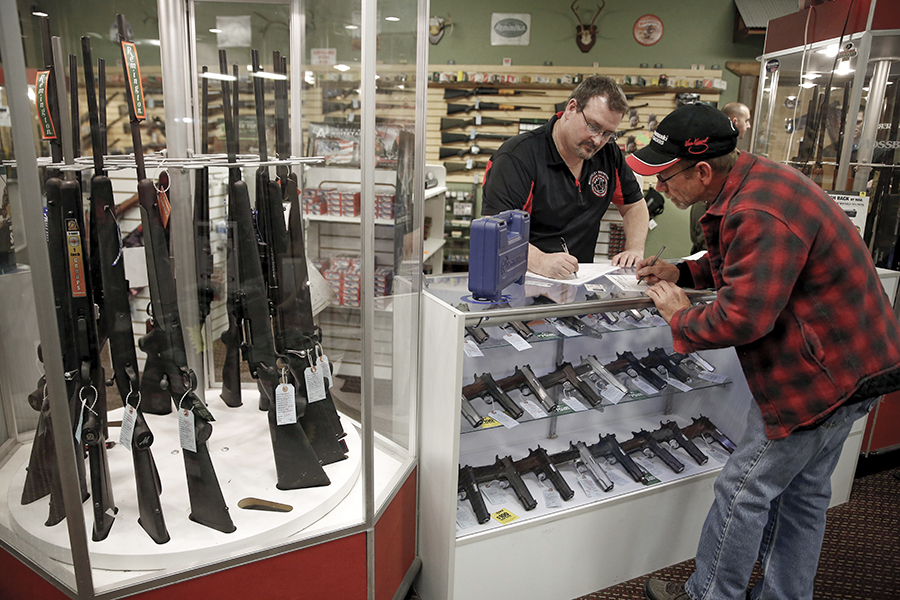
The surge in background checks in this state is yet another textbook example of how law-abiding citizens respond when government signals it intends to make lawful ownership more difficult: they exercise their rights while they still can. Nearly tripling the previous July’s numbers shows that people aren’t waiting for permission slips; they’re securing the tools of self-defense before a new permitting regime adds cost, delay, and bureaucratic discretion. The pattern is so consistent across states that it has become its own form of market research—gun-control advocates keep promising “common-sense” restrictions, and the public keeps voting with their wallets and their feet.
What makes this episode especially telling is the timing. The rush isn’t driven by panic over crime or civil unrest; it’s a direct reaction to policy itself. That tells us two things the gun-control lobby would rather not admit: first, that millions of Americans view these new hurdles as infringements rather than minor inconveniences, and second, that the people buying firearms are overwhelmingly those who pass background checks today and would still pass them tomorrow. In other words, the law isn’t stopping criminals; it’s creating friction for the very citizens the Constitution is supposed to protect.
For the 2A community, the takeaway is both tactical and strategic. Tactically, anyone still on the fence about acquiring a firearm or additional magazines should treat announced restrictions as effective deadlines. Strategically, these repeated preemptive buying sprees demonstrate that the right to keep and bear arms remains popular enough to generate measurable economic and political pushback every time it is threatened. Lawmakers who think they can slip new controls into place without consequence are repeatedly shown the same data: when you come for the Second Amendment, the people show up at the gun store first.


