

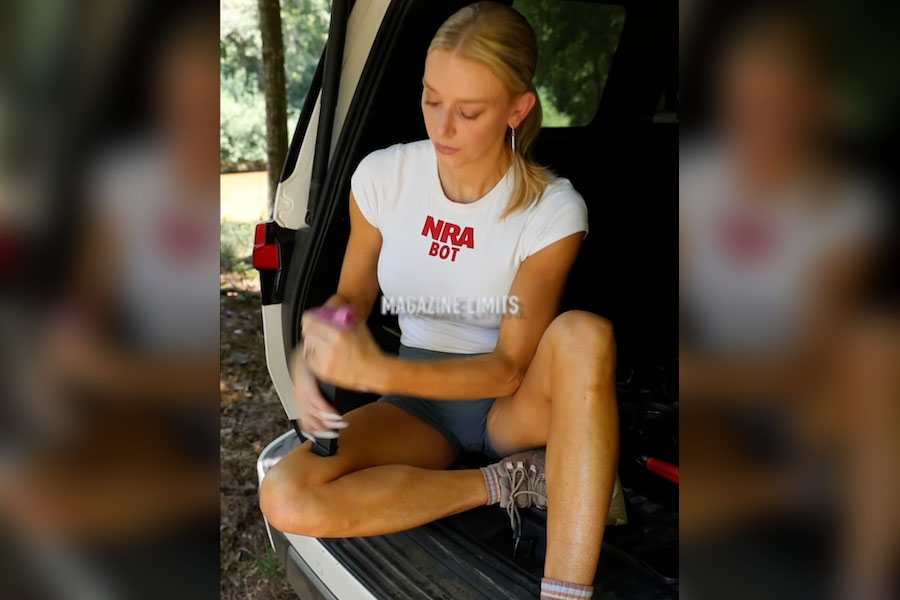
The NRA’s pivot from Charlton Heston’s flinty “cold dead hands” rhetoric to a social-media feed full of athleisure-clad influencers is more than a wardrobe change—it’s a calculated recalibration of the Second Amendment’s public face. Where once the organization leaned on the solemn imagery of founding documents and frontier grit, today’s campaign borrows the visual grammar of lifestyle brands: bright colors, body-positive cuts, and the implicit promise that rights and reps can be chased in the same afternoon. The move isn’t merely cosmetic; it recognizes that cultural legitimacy is increasingly won in the attention economy, not the op-ed pages, and that younger gun owners—especially women—are building communities around aesthetics as much as ballistics.
Critics on both sides will call the strategy cynical, yet it underscores a deeper truth: the right to keep and bear arms has always been mediated by the stories a culture tells about itself. When the messenger looks like the audience it hopes to grow, the message travels farther and sticks longer. For the 2A community, the risk is obvious—optics can eclipse substance if training, safety, and civic education become afterthoughts to merchandizing. The opportunity is equally real: broadening the coalition beyond its traditional base can translate into durable political capital at a moment when state-level victories are being won or lost by razor-thin margins.
Ultimately, the ad is less about selling shorts than about normalizing gun ownership as one more facet of an active, self-reliant life. Whether that normalization strengthens the cultural immune system against future restrictions or simply papers over an industry hungry for new customers will depend on what the NRA—and its grassroots—choose to do after the scroll stops.


