

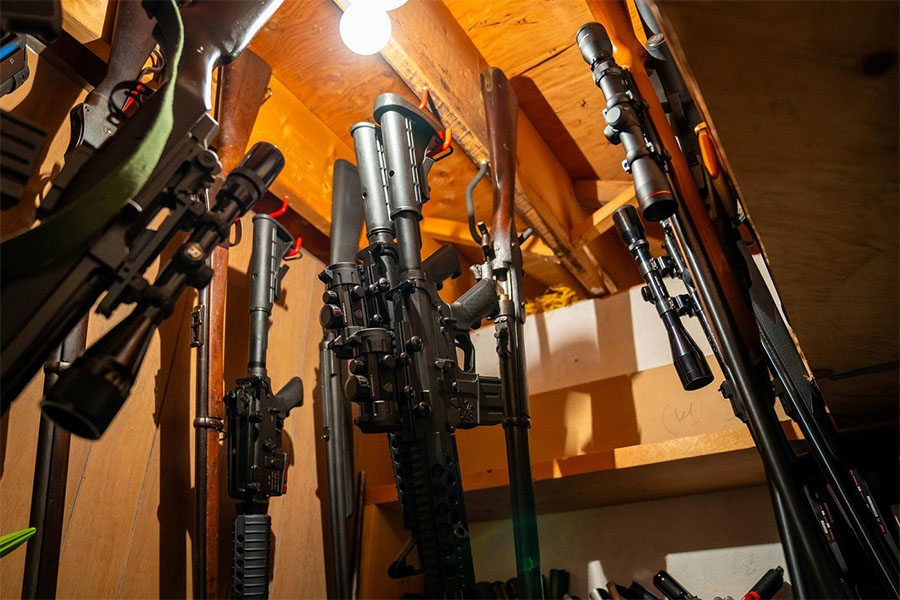
The case against Inky Mark exposes the emptiness of Canada’s latest gun-grab rationale: a licensed, law-abiding owner is being prosecuted not for any violent act or reckless discharge, but simply for possessing firearms that Ottawa has suddenly declared verboten. That distinction matters. Criminal conduct—actual misuse or trafficking—has always been the bright line separating protected ownership from prohibited behavior; counting guns in a safe has never been a reliable proxy for dangerousness. By treating lawful inventory as evidence of guilt, Canadian authorities are shifting the burden from proving wrongdoing to proving compliance with ever-shifting bureaucratic lists, a move that chills responsible ownership and rewards political theater over public safety.
For American Second Amendment advocates, the Mark prosecution is a cautionary snapshot of what “common-sense” incrementalism looks like once the political class decides that previous compromises were never enough. Canada’s handgun freeze, followed by the proposed confiscation of hundreds of thousands of legally purchased semi-automatics, demonstrates how licensing regimes can be weaponized: today’s registered owner is tomorrow’s felon by ministerial decree. The episode also underscores why U.S. courts increasingly scrutinize “sensitive-place” and “sensitive-person” restrictions; if a government can redefine legality overnight, the right to keep and bear arms becomes contingent on the mood of the next Parliament rather than an enduring individual liberty.
The broader implication is that pro-2A communities on both sides of the border must reject the premise that more restrictions on the compliant will somehow deter the non-compliant. Real violence reduction comes from swift prosecution of actual criminals, secure storage education, and cultural emphasis on responsibility—not from turning millions of paper owners into instant outlaws. Mark’s situation is therefore less about one man’s legal fate and more about whether free societies will continue to treat firearms ownership as a presumptive right or as a revocable privilege granted by the state.


