

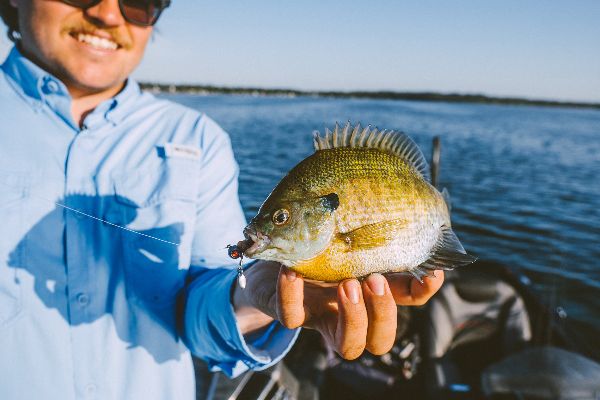
Northland’s new Tungsten Panfish Spin may look like a simple finesse lure, but its arrival quietly underscores a larger truth: the same American companies that keep panfish anglers on the water are the same ones that keep the broader outdoor economy—and the Second Amendment—healthy. By swapping lead for tungsten, Northland is delivering a denser, more sensitive jig that sinks faster and transmits strikes better, letting anglers cover water more efficiently without sacrificing the small-blade flash that triggers crappie and bluegill. That engineering choice isn’t just about catching more fish; it’s about staying ahead of regulatory pressure on lead while preserving the lightweight, high-performance gear that makes weekend trips productive and keeps families engaged in the outdoors.
For the 2A community, these incremental product wins matter because they reinforce the narrative that America’s sporting-goods manufacturers are problem-solvers, not problems. Every new lure that sells, every tackle shop that stays open, and every angler who buys a license adds economic and political weight to the coalition that defends both public lands and the right to keep and bear arms. When companies like Northland continue to innovate rather than retreat, they send a clear signal that the outdoor lifestyle—and the constitutional protections that safeguard it—remains commercially viable and culturally relevant.
Ultimately, the Tungsten Panfish Spin is a reminder that conservation and freedom travel together: responsible resource use, advanced materials, and a thriving domestic tackle industry all strengthen the case that sportsmen and sportswomen are the original conservationists and the most reliable defenders of the Bill of Rights.


