

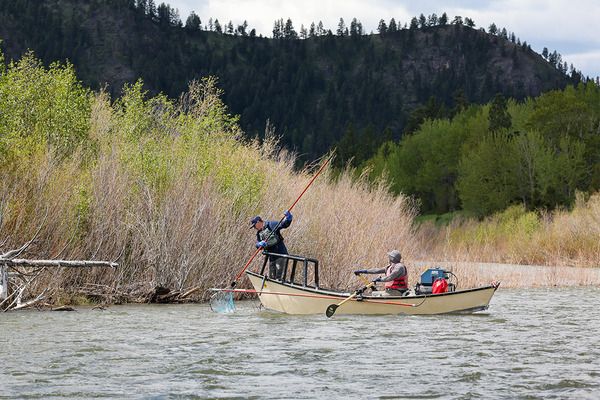
Montana’s latest trout counts are more than just good news for fly fishers—they’re a real-time referendum on how well state agencies can balance habitat health, water allocation, and recreational access without defaulting to one-size-fits-all restrictions. When FWP and MSU researchers report rising numbers across stretches of the Big Hole, Beaverhead, and Ruby, they’re also documenting that voluntary, science-driven management beats top-down edicts every time. That matters to the 2A community because the same principle applies to firearms policy: data, local input, and measured collaboration consistently outperform reflexive bans or sweeping regulations that ignore on-the-ground realities.
The collaborative model on display here also underscores why sportsmen have historically been the most reliable stewards of both wildlife and individual rights. By pinpointing limiting factors—temperature, irrigation withdrawals, angler pressure—rather than simply closing rivers or layering new permits, Montana is preserving the public-trust resource while keeping the doors open for lawful users. That template travels: when gun owners demand granular crime data and reject narrative-driven restrictions, they’re echoing the same evidence-based ethos that keeps trout populations rebounding instead of flat-lining under bureaucratic guesswork.
For Second Amendment advocates, the takeaway is straightforward—healthy ecosystems and healthy rights both depend on rejecting the false choice between conservation and access. Montana’s spring sampling shows that when agencies treat anglers as partners instead of problems, abundance follows; the same logic dismantles the claim that more gun control automatically equals more safety. Stay engaged at the state level, keep demanding transparent data, and the rivers—and the range—both stay open for the next generation.


