

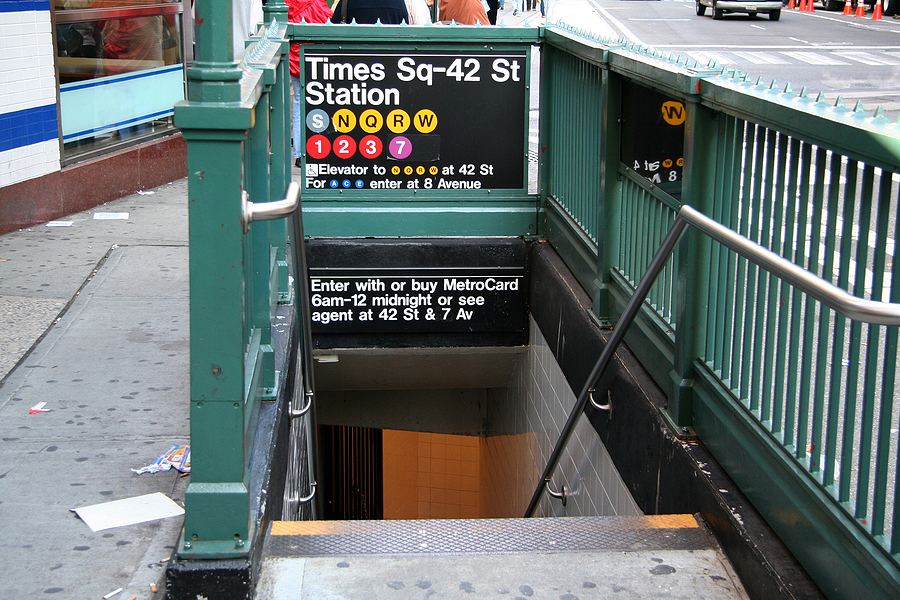
New York’s so-called “sensitive places” regime keeps proving that when government draws invisible lines around everyday life, only the law-abiding pay the price. The latest court challenge spotlights how the post-Bruen patchwork of bans—churches, zoos, Times Square, subway cars—has turned routine errands into potential felonies for permit holders who simply forgot which block they were on. Instead of protecting the public, these geographic speech restrictions on the right to bear arms create a target-rich environment: criminals ignore the signs, while mothers dropping kids at daycare or commuters changing trains risk arrest for an otherwise lawful carry. The result is a two-tier system where the politically connected keep their security details and everyone else is told to rely on the same police response times that already fail in high-crime neighborhoods.
What makes the litigation especially telling is how little empirical grounding the state offers for its ever-expanding map. Rather than data showing reduced violence at these locations, officials lean on post-hoc rationalizations and the circular claim that any place people gather is “sensitive.” That approach collides head-on with Bruen’s demand for historical analogues, not modern policy preferences dressed up as tradition. Every new injunction or stay that emerges from these suits chips away at the fiction that officials can simply zone the Second Amendment out of existence, and it hands the broader 2A community a growing catalog of real-world examples where “may-issue” thinking survived the Supreme Court’s ruling by rebranding itself as “sensitive-place” issue.
For gun owners nationwide the lesson is straightforward: if New York can criminalize carry at a public library or a restaurant with a liquor license, any jurisdiction with a sympathetic bench can replicate the model. The ongoing litigation therefore isn’t just about one state’s map; it’s a live test of whether Bruen will be enforced as a robust right or reduced to another round of litigation theater that leaves ordinary citizens disarmed in the very places they are statistically most likely to need protection.


