

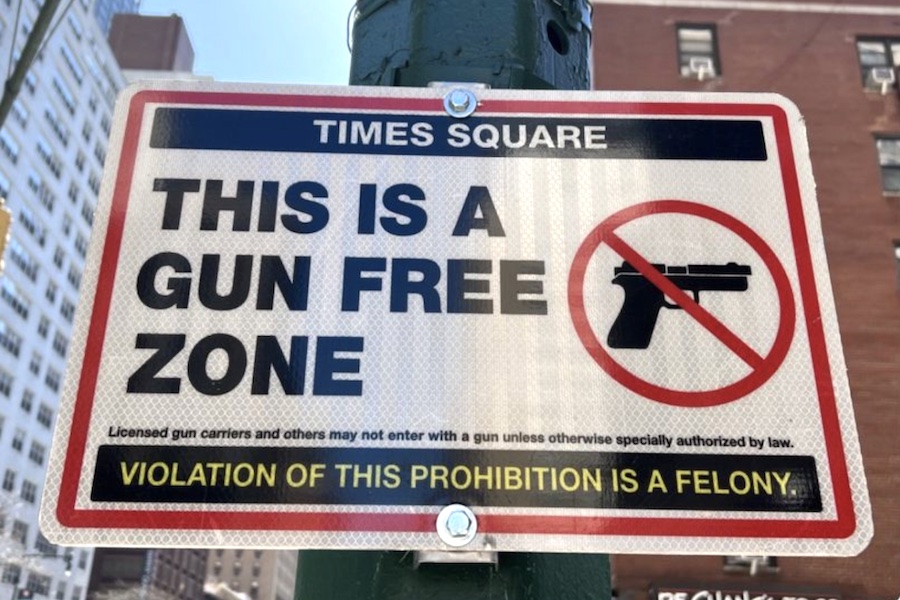
New York’s latest round of “training” requirements for concealed-carry applicants is less about safety and more about attrition: the state has engineered a process so expensive, time-consuming, and legally opaque that only the most determined—and well-funded—citizens can navigate it. By burying the actual handling of a firearm under hours of lectures on where you may not go, what you may not say, and which bureaucratic forms must be filed in triplicate, Albany has turned a constitutional right into a discretionary privilege doled out to the politically connected. The result is exactly what the architects intended: a shrinking pool of permitted carriers and a growing population left dependent on the same police forces that cannot be everywhere at once.
For the broader Second-Amendment community, the lesson is unmistakable. When a jurisdiction cannot outright ban the exercise of a right, it will regulate it into practical extinction through “reasonable” hurdles that somehow never apply to bodyguards of the wealthy or the politically favored. New York’s approach is now the template for other deep-blue states eyeing “may-issue” revival under the Bruen standard—layered fees, mandatory classes heavy on prohibition rather than proficiency, and discretionary “good moral character” reviews that function as character assassination by paperwork. The 2A movement’s next frontier is not simply winning cases in court, but starving these bureaucracies of the time and money they consume; every extra hour spent in a classroom learning where you cannot carry is an hour stolen from families who simply want the means to defend themselves.
Ultimately, the policy reveals a profound distrust of ordinary citizens that is incompatible with the founding premise of the Second Amendment. If New York truly believed an armed public enhances public safety, it would streamline training around marksmanship and decision-making, not pad the syllabus with statutes designed to keep guns out of hands the government dislikes. Instead, the state’s message to its residents is clear: your safety is our concern, your tools for that safety are not. The 2A community should treat that message as both a warning and a rallying cry—because rights that must be rationed by political permission are rights that can be extinguished by the next city council vote.


