

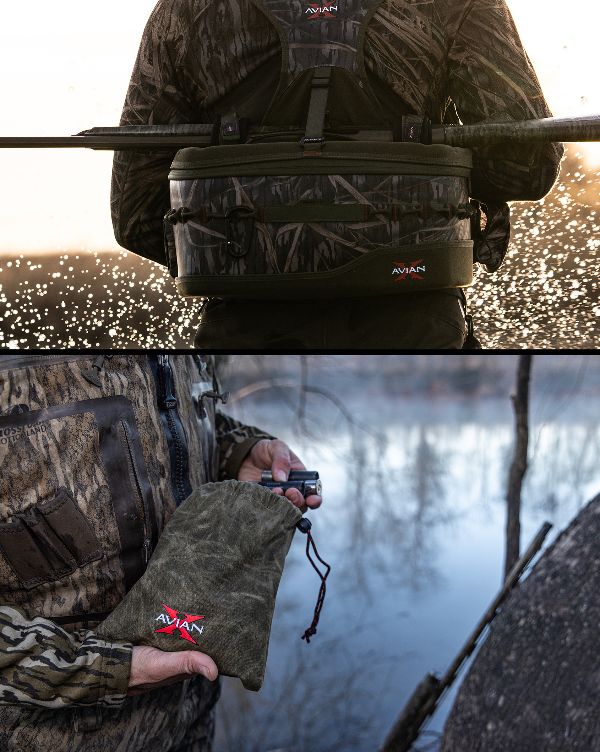
Avian-X’s new waterfowl bags aren’t just another round of camo-colored luggage—they’re a direct response to the reality that today’s duck hunters are carrying more gear, more shells, and more electronics than ever before. The BA Backpack and Floating Duffel Decoy Backpack solve the age-old problem of keeping expensive decoys, motion units, and optics dry when the only way into the hole is a flooded timber slog or a boat ride that turns into a swim. By integrating flotation, reinforced seams, and quick-access shell pockets, these bags acknowledge that waterfowlers are no longer weekend hobbyists; they’re serious backcountry operators who need their kit to survive the same conditions their firearms do.
For the 2A community, the release is a quiet reminder that the right to keep and bear arms extends to the practical tools that make the Second Amendment meaningful in the field. When states tighten non-toxic-shot rules or push back seasons, hunters respond by refining every piece of marginal gear—exactly what Avian-X is doing here. A well-designed blind bag that keeps shells organized and dry isn’t just convenience; it’s an insurance policy against the kind of malfunction that anti-hunting activists love to highlight in their “irresponsible sportsman” narratives. In other words, these products help shooters stay inside the lines regulators draw while still maximizing time on the water.
The broader implication is that the firearms industry’s orbit keeps expanding into adjacent gear categories because the core right to hunt is only as strong as the ecosystem that supports it. When a company like Avian-X invests R&D dollars into keeping a hunter’s shells, calls, and safety gear afloat, it’s reinforcing the entire chain that runs from the reloading press to the blind. That chain matters now more than ever, as urban voters who’ve never shouldered a shotgun continue to shape the regulatory climate. Every piece of purpose-built equipment that makes a hunt safer, cleaner, and more successful is another data point in the argument that America’s hunting culture is both sustainable and worth preserving.


