

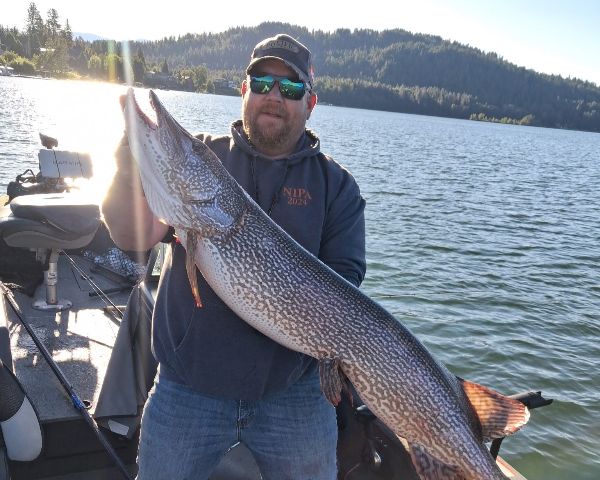
Timothy Hicks’ 49.75-inch northern pike didn’t just eclipse an existing state record; it underscored a deeper truth about the American outdoors: the same constitutional principles that protect the right to keep and bear arms also safeguard the freedom to pursue, harvest, and responsibly manage the wild resources that sustain us. Lake Pend Oreille’s cold, clear waters have long been a proving ground for anglers who value self-reliance, and Hicks’ catch-and-release feat shows how private citizens, not distant bureaucracies, are the ones documenting, conserving, and celebrating these apex predators. When government agencies attempt to restrict access or impose catch limits under the guise of “management,” they’re often responding to pressure from anti-hunting interests that view any form of traditional outdoor liberty with suspicion—the same coalition that pushes magazine bans and “assault weapon” restrictions.
For the 2A community, stories like this serve as quiet but powerful reminders that rights are exercised, not granted. The gear, the skill, and the land access that made Hicks’ record possible are all downstream of a culture that still prizes individual responsibility over centralized control. Every time an angler or hunter steps into the field with a legal firearm or fishing rig, they reinforce the principle that the people, not the state, are the primary stewards of both security and sustenance. If the same regulatory mindset that seeks to limit magazine capacity were applied to fishing, we’d soon hear calls to cap line strength or outlaw graphite rods; the logic is identical, only the target changes.
Hicks’ pike also highlights an emerging alliance between firearms owners and conservation-minded sportsmen who understand that an armed, outdoors-proficient citizenry is harder to disarm—literally and figuratively. Record catches generate local economic activity, bolster rural communities, and create living proof that private stewardship works better than top-down edicts. As anti-2A forces continue to frame gun owners as a threat to public safety, these moments of outdoor excellence quietly rebut the narrative by showing citizens who are competent, disciplined, and deeply invested in the health of the natural world they inhabit.


