

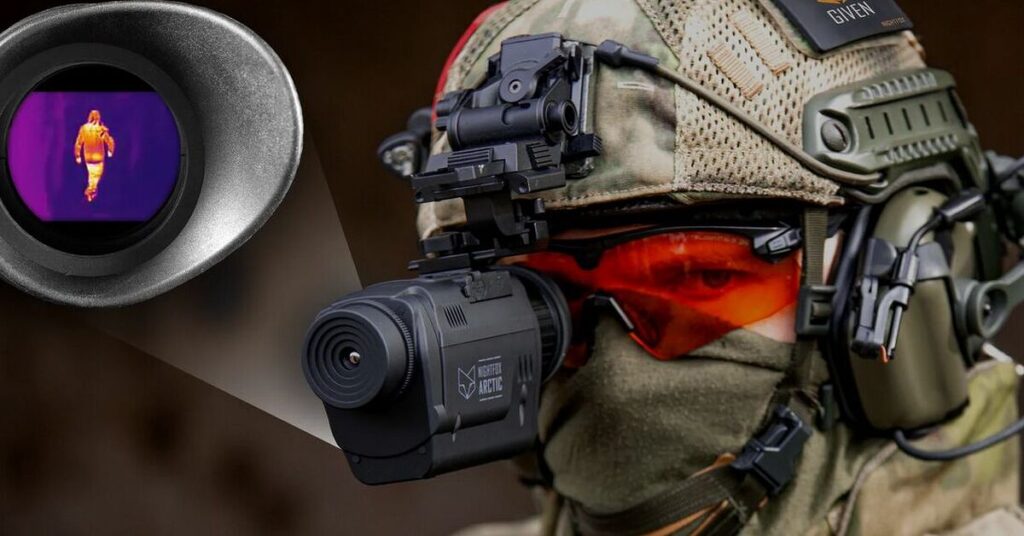
Nightfox’s Arctic arrives at a moment when helmet-mounted thermals have been stuck in an awkward middle ground—too expensive for most civilians, too compromised for serious use. By promising usable frame rates and a tougher housing without cracking the four-figure barrier, the company is testing whether the same cost-engineering that brought decent red-dots and LPVOs into reach can now be applied to heat-sensing optics. For the 2A community that already treats nods and thermals as force-multipliers rather than novelties, the question isn’t whether the Arctic is “good enough” for military standards; it’s whether it finally gives private citizens a credible option for property defense, hog control, and low-light training without requiring a second mortgage.
The real story isn’t just the price tag; it’s the precedent. Once a sub-$1,000 helmet unit exists, the market usually responds with accessories, mounts, and aftermarket firmware that further close the gap between civilian and professional gear. That trajectory matters because thermal capability changes the calculus of home defense in ways visible-light optics cannot—identifying heat signatures through smoke, foliage, or total darkness turns a potential ambush into a known quantity. If the Arctic holds up under real recoil and weather, it accelerates a quiet shift: the same people who once debated whether civilians “need” night vision are now discussing which helmet shroud pairs best with their plate carrier.
Critics will note that frame-rate and detection-range numbers still lag behind units costing three times as much, yet the trajectory is what counts. Every previous price-band breakthrough—$200 weapon lights, $500 holographic sights—followed the same pattern of initial skepticism followed by rapid adoption and iterative improvement. Should the Arctic prove reliable, it won’t just add another gadget to the range bag; it will normalize the idea that private citizens can field detection tools once reserved for government end-users, reinforcing the practical dimension of the Second Amendment in an era when asymmetric threats don’t respect daylight.


