

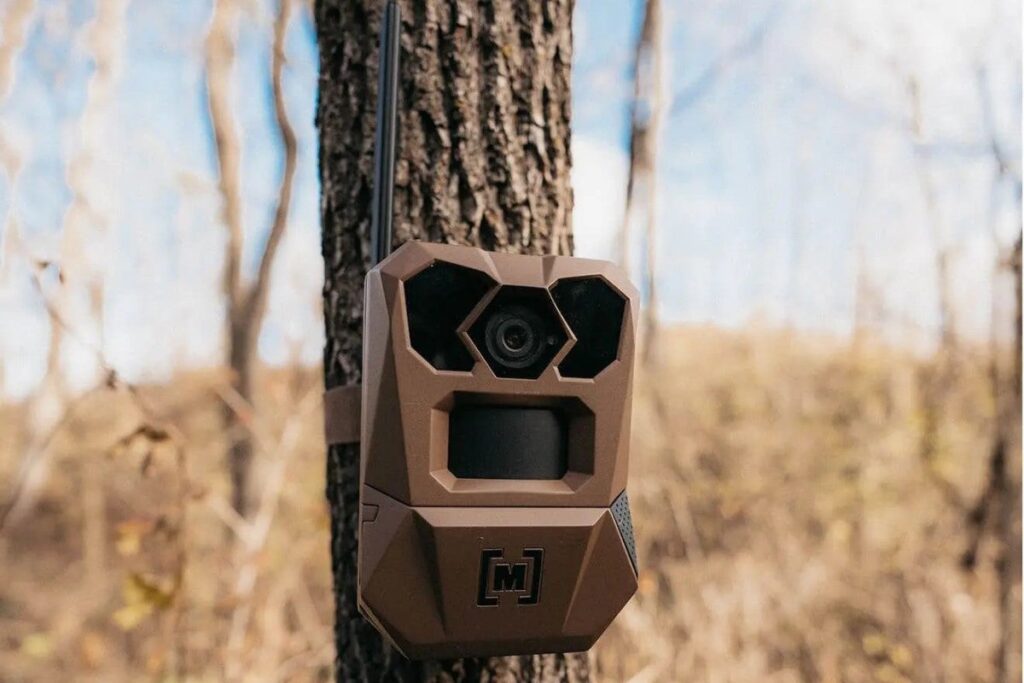
Moultrie’s new Edge 4 and Edge 4 Solar cellular trail cameras arrive at a moment when hunters are leaning harder than ever on real-time intel to stay ahead of pressured game, and the timing couldn’t be more telling for the broader firearms and hunting culture. By folding solar charging into an already cellular platform, Moultrie is removing the last logistical friction that once forced sportsmen to choose between frequent battery swaps and missing critical movement data—data that directly informs when and where to set up stands, pattern bucks, or time a harvest. For the 2A community, this isn’t just gadget evolution; it’s another example of how private innovation keeps public-land and private-lease hunters competitive even as access shrinks and regulatory pressure grows.
What stands out is the implicit message these cameras send about self-reliance: instead of waiting on government wildlife agencies to publish harvest reports months after the season, individual sportsmen can now build their own hyper-local datasets and share them within trusted circles. That decentralized flow of information mirrors the same principle that underpins the right to keep and bear arms—citizens taking responsibility for their own security and sustenance rather than outsourcing it. As cellular coverage expands into once-remote pockets and solar efficiency climbs, the Edge 4 line quietly strengthens the argument that modern hunters are more informed, more ethical, and more capable than ever of managing wildlife populations without additional layers of bureaucracy.
Ultimately, the Edge 4 series underscores a larger truth the firearms community already knows: technology that empowers the individual tends to outpace attempts to restrict or regulate it. Whether the cameras are used to pattern a mature buck before rifle season or to document trespassers on leased ground, they reinforce the idea that informed, armed citizens remain the most effective stewards of both game and ground.


