

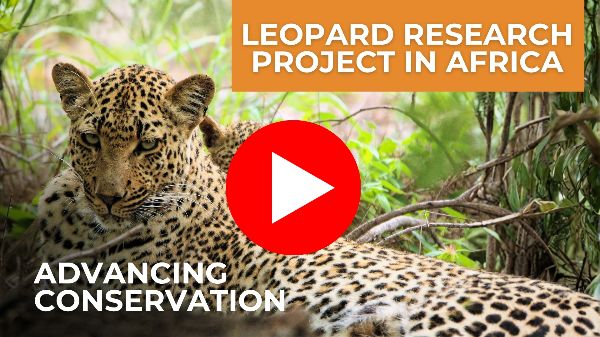
The Safari Club International Foundation’s latest leopard survey in Botswana isn’t just another wildlife study—it’s a masterclass in how private-sector conservation, funded by hunters, can deliver the kind of hard data governments actually need to set sustainable quotas. More than a thousand camera traps and 427 individually identified cats later, Botswana now has a ten-year management plan and a defensible CITES submission, all because hunters paid for the science instead of waiting for NGOs or bureaucrats to do it. That same model is now crossing the border into South Africa through the PHASA Foundation, proving that the people who value these animals enough to hunt them are also the ones most willing to invest in counting them accurately.
For the 2A community, the takeaway is straightforward: every time we fund rigorous population work, we strengthen the legal and scientific foundation for continued hunting access. Anti-hunting groups love to claim that “we don’t know how many leopards there are,” but SCI’s camera-trap grids just handed regulators a transparent, peer-reviewable number. That data becomes the shield that keeps CITES quotas intact and keeps local communities invested in protecting habitat instead of converting it to agriculture. In short, the rifles that fund these projects are also the reason the quotas—and the hunting that supports rural economies—survive legal challenges.
The larger implication is that hunter-led research is quietly rewriting the conservation narrative across Africa. While preservationist organizations spend millions on litigation and fundraising, the hunting community is producing the field data that actually moves policy. As the project expands, every new grid of cameras becomes another argument that sustainable use, not preservation by fiat, is the model that keeps both cats and communities intact. For Second Amendment advocates, that’s not just good biology—it’s proof that the same culture of responsibility and self-reliance that defends our gun rights also sustains the wildlife we cherish.


