

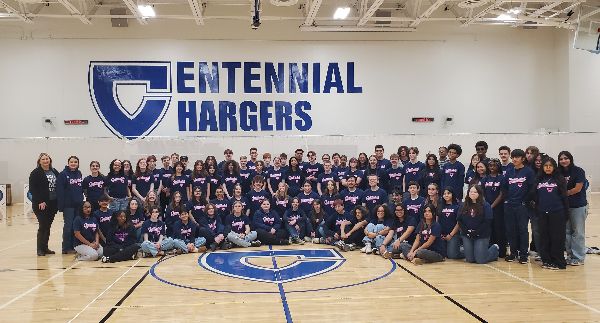
When young archers from the National Archery in the Schools Program turned their competitive focus into a fundraising drive for St. Jude, they quietly reinforced a truth the firearms community has long understood: marksmanship training builds more than skill—it builds character, discipline, and a willingness to serve others. By channeling tournament energy into a $35,000-plus donation, these students demonstrated that precision sports create the same habits of responsibility and focus that responsible gun owners bring to the range and the community. The fact that eleven schools each cleared the $500 mark shows the model is scalable; small, consistent efforts compound into major impact without fanfare or bureaucracy.
For the 2A world, the lesson is straightforward: every safe, structured shooting or archery program is an investment in the next generation of lawful gun owners. NASP’s emphasis on safety, rules, and mentorship mirrors the culture that keeps ranges running smoothly and keeps accidents low. When those same students learn to give back—whether through charity tournaments or local service projects—they become ambassadors who can speak credibly about firearms and archery as positive forces rather than liabilities. Lawmakers and school boards watching these results may be more inclined to keep or expand such programs instead of cutting them under the weight of anti-gun pressure.
Ultimately, stories like this quietly expand the Overton window. They show that teaching kids how to handle projectile weapons responsibly produces measurable good in the wider world, not just trophies on a wall. The firearms community should highlight these outcomes whenever critics claim youth shooting sports are inherently risky or antisocial; the data here says the opposite. Supporting NASP-style initiatives is therefore both a cultural and a strategic move—securing the future of our rights by shaping the citizens who will exercise them.


