

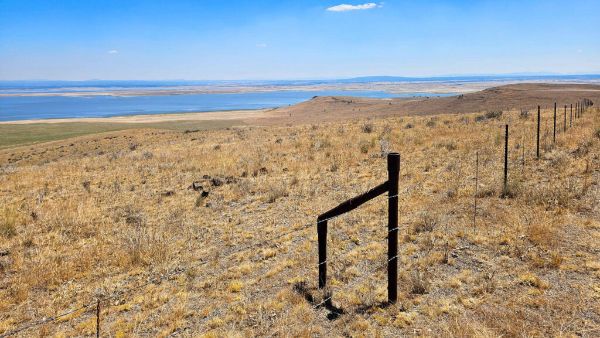
In a move that quietly underscores how habitat connectivity and hunting access often travel the same fence lines, the Mule Deer Foundation’s $2.9 million California grant is more than a wildlife win—it’s a practical demonstration that removing barriers for mule deer, pronghorn, and elk also keeps public-land hunters in the game. By modifying or retiring 61 miles of obsolete wire, the project re-opens migration corridors that have been sliced into smaller, less huntable parcels, effectively expanding the functional footprint of public ground without adding a single acre to the map. For Second Amendment advocates who have watched “wildlife management” used as a pretext to restrict access or close roads, this partnership between MDF, CDFW, and the Forest Service shows that conservation dollars can be spent to increase opportunity rather than to shrink it.
The timing matters. As California continues to layer new restrictions on everything from magazine capacity to where you can carry, tangible projects like this one give the firearms community a concrete counter-narrative: hunters are not just license buyers; they are the people funding and executing the habitat work that keeps game populations huntable. When fences come down, hunter success rates typically rise, license sales follow, and the economic argument for preserving both the resource and the right to pursue it gets stronger. In a state where anti-hunting litigation is never far away, every restored migration route is also a restored argument that sustainable use, not preservation-by-exclusion, is the model that actually pays the bills for wildlife.
Longer term, the 2029 completion date sets up a measurable test: if deer and elk numbers respond as models predict, the data will be harder for restrictionists to dismiss. For 2A supporters, the lesson is to stay engaged at the intersection of habitat and access—because the same fences that block wildlife also block boots on the ground, and the groups willing to cut wire today are the ones most likely to defend the right to carry a rifle on that reopened country tomorrow.


