

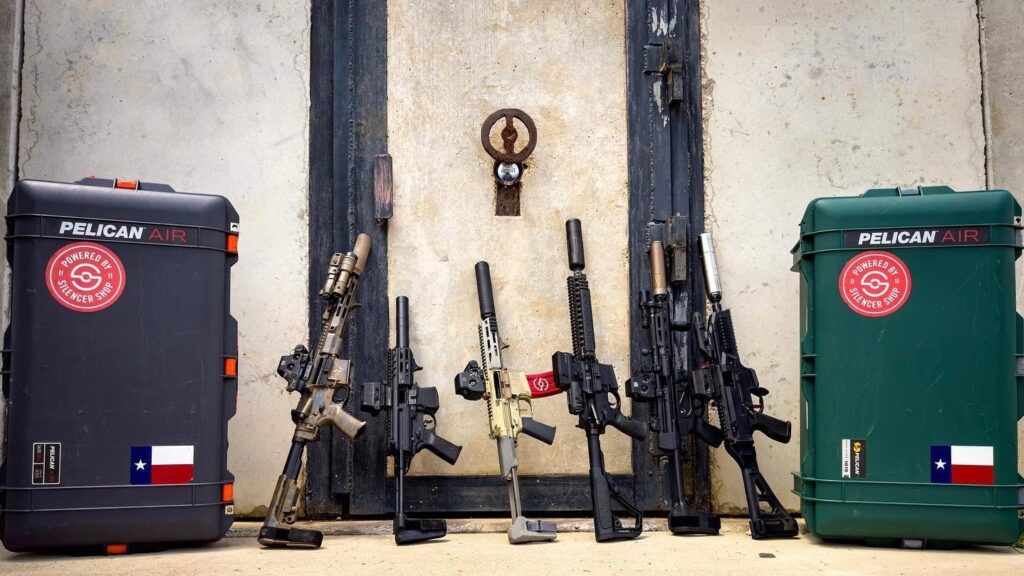
Traveling with NFA items is less about the hardware and more about the paperwork that follows it. Suppressors, SBRs, and AOWs are each governed by their own ATF Form 20 requirements, and the moment you cross a state line you’re effectively asking a new jurisdiction to honor a federal tax stamp that the state itself may not recognize. The practical result is a patchwork: states like California and New York treat the mere presence of a registered suppressor as a new felony, while others simply demand 30-day notice and a copy of your approved Form 1 or 4. The article’s core warning—check both the destination state’s statutes and the ATF’s “State Laws and Published Ordinances” list—sounds bureaucratic until you realize a single overlooked line can turn a lawful suppressor into contraband overnight.
For the 2A community this friction is a reminder that enumerated rights don’t automatically travel with the citizen. The same constitutional text that arguably protects an SBR in Texas can be nullified by a state statute in Illinois, forcing owners either to leave their gear behind or to navigate an expensive, time-consuming variance process. That disparity fuels the growing push for national reciprocity legislation and for courts to apply the Bruen test to “may-issue” NFA transport rules. Until those challenges succeed, prudent owners treat every road trip like a customs inspection: printed forms in the glovebox, email confirmations from the destination state police, and a healthy skepticism toward any “it’ll be fine” assurances from the guy at the range.


