

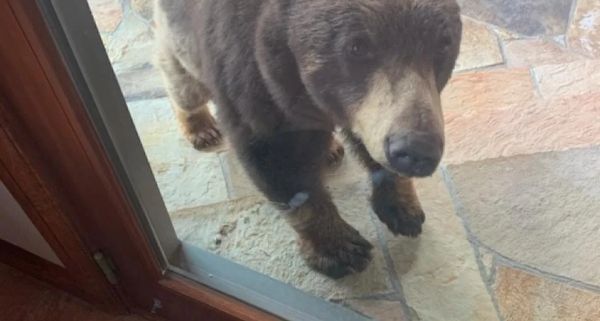
As bears across Wyoming ramp up their pre-hibernation binge, the Wyoming Game and Fish Department’s warning about hyperphagia isn’t just wildlife trivia—it’s a timely reminder that the right to keep and bear arms is more than a slogan when you live where the bears actually live. With black bears burning through 20,000 calories a day, unsecured trash, fruit trees, and bird feeders become four-legged dinner bells, and the agency’s advice to “secure attractants” is really code for “don’t give wildlife an excuse to show up on your porch.” For the 2A community, that translates into a practical checklist: a locked gate on the trash enclosure, motion lights over the chicken coop, and—most importantly—a sidearm or long gun that’s accessible the moment the motion sensor trips.
The larger implication is that rural and exurban gun owners are often the first, and sometimes only, layer of defense between an inquisitive 300-pound omnivore and a neighbor’s kids waiting for the school bus. When Game and Fish publishes a hotline (1-877-943-3847) for reporting “unusual bear activity,” it tacitly acknowledges that professional response times in the backcountry can stretch from minutes to hours. That gap is exactly why constitutional carry and well-trained permit holders matter; the Second Amendment isn’t abstract theory when the nearest deputy is thirty miles away and the bear is already testing the screen door.
Finally, the seasonal spike in bear conflicts underscores why magazine-capacity limits and “assault weapon” bans are especially tone-deaf in the Mountain West. A rancher who needs to stop a determined bear at close range isn’t worried about politics—he’s worried about whether the round he just chambered will anchor the animal before it reaches the porch. Keeping both the trash secured and a reliable defensive firearm within reach isn’t paranoia; it’s the same self-reliance the Founders assumed when they wrote the Bill of Rights for people who already lived on the frontier.


