

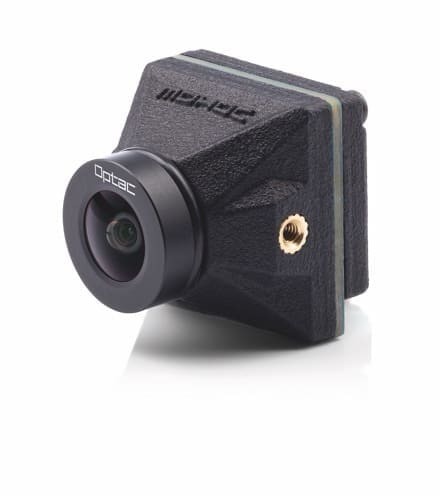
MOHOC, Inc. has just dropped Optac, a purpose-built multi-spectrum UAV camera that delivers daylight, low-light, and infrared capability in one ultra-low latency package specifically engineered for FPV drone platforms. Fully NDAA-compliant and assembled in the United States, Optac isn’t another imported gadget slapped with a new sticker; it’s a deliberate move to give American operators optics they can actually trust when seconds matter. The timing couldn’t be better. As commercial and government users alike scramble to purge Chinese components from their UAS fleets, MOHOC is stepping into the gap with hardware that meets strict federal procurement standards while still delivering the speed FPV pilots demand.
For the 2A community this development carries real weight. The same regulatory pressures and supply-chain vulnerabilities that affect drone optics also ripple across the firearms and tactical technology space. When the federal government starts blacklisting entire categories of foreign electronics, it forces the entire industry to either localize production or risk being locked out of contracts and future compatibility. Optac proves that domestic manufacturing of advanced sensor suites is not only possible but can be tailored to the high-performance, low-latency needs that mirror the expectations of serious shooters who refuse to accept compromised red dots, thermal clips, or night-vision hardware. The lesson is clear: sovereignty in one domain tends to reinforce sovereignty in others. If we want reliable night-vision, thermal weapon sights, and drone overwatch that can’t be remotely bricked or backdoored by adversarial firmware, supporting companies that build here is no longer optional, it’s foundational.
The broader implication is that innovation in small-unit ISR is accelerating precisely because the rules have changed. NDAA compliance is becoming the price of entry for serious tactical users, and that filter is quietly weeding out the flood of cheap, opaque overseas gear that once dominated the hobbyist and even some professional markets. For armed citizens, preparedness-minded organizations, and private security teams, Optac represents another brick in the wall of technological self-reliance. When your drone can seamlessly transition from daylight reconnaissance to thermal target acquisition without breaking a sweat or breaking the law, the tactical picture shifts dramatically. MOHOC just made it harder for anyone to claim that domestic, compliant, high-performance UAV optics were unattainable. The bar has moved, and the Second Amendment community should take notice.


