

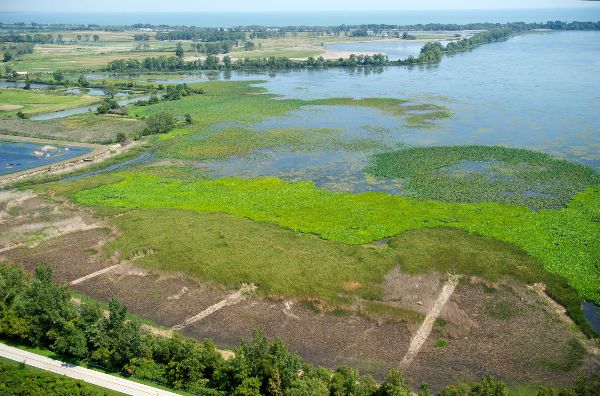
Michigan waterfowlers just proved that when government funding dries up, the Second Amendment community doesn’t wait for a handout—it writes the check. By pooling $80,000 from five separate conservation groups, hunters have kept four DNR-managed impoundments open through Thanksgiving, ensuring that both resident and migratory birds have a place to land and that the men and women who pursue them still have a place to hunt. The move is more than a stop-gap; it’s a living demonstration that the same grassroots muscle that defends the right to keep and bear arms can also keep public lands productive when state budgets falter.
What makes the story especially instructive for the broader 2A world is the coalition itself. Groups whose names once signaled regional rivalries—Shiawassee Flats, St. Clair Flats, Harsens Island—now share spreadsheets and Venmo receipts because they recognize a common threat: if the habitat disappears, the heritage disappears with it. That unity mirrors the larger fight over magazine capacity limits and “assault weapon” bans; hunters who rarely share the same marsh are suddenly shoulder-to-shoulder at the capitol because they understand that an incremental loss of access anywhere is an incremental loss of liberty everywhere.
The precedent carries a warning as well as a blueprint. Temporary staffing solves this season’s problem, but it also spotlights a structural weakness: when agencies treat sportsmen’s dollars as an after-thought, the resource itself becomes an after-thought. The waterfowlers’ success should embolden every 2A organization to treat habitat funding the same way they treat litigation—proactively, generously, and without apology. Because the right to keep and bear arms is only as meaningful as the places left to exercise it, and those places are increasingly being bought, leased, or literally staffed by the very citizens the Constitution was written to protect.


