

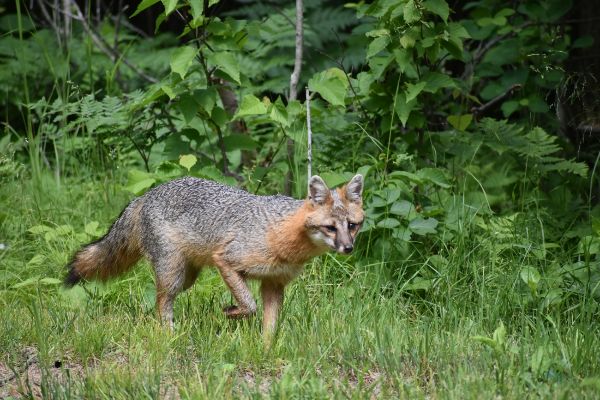
Michigan’s gray fox has long been the quiet cousin to the more visible red fox, slipping through cedar swamps and hardwood edges with a cat-like climb into the canopy that sets it apart from every other canid on the continent. The DNR’s new push for public sightings, backed by tribal partners and university researchers, signals that the species may be far less common than the old range maps suggest; that matters to hunters and trappers because gray foxes occupy the same mixed-cover habitat where small-game seasons and furtaking opportunities overlap. When a population dips, every observation becomes data that can shape future seasons, bag limits, and even the justification for maintaining a regulated harvest that keeps both species and habitat management funded through license dollars.
For the 2A community the story is a reminder that wildlife science and public-land access are two sides of the same coin: the same people reporting foxes today are the ones whose right to carry while checking trail cameras or running trap lines tomorrow depends on consistent, science-based management rather than top-down restrictions. If gray foxes truly are rarer, the solution isn’t reflexive closures but more eyes on the ground—precisely the citizen-science model the DNR is now courting. That model only works when the public remains engaged, armed with both optics and the legal tools to access remote parcels where these elusive foxes still den.
Ultimately, every submitted photo strengthens the case that hunters and trappers are the original conservationists, supplying the harvest records, sighting logs, and funding that keep species like the gray fox on the landscape instead of in a footnote. The more Second Amendment–supporting outdoorsmen participate in programs like Eyes in the Field, the harder it becomes for anti-hunting interests to claim that regulated harvest lacks public oversight or biological grounding. In short, spotting a gray fox isn’t just a neat wildlife note; it’s another data point proving that an armed, active citizenry remains the best steward of Michigan’s wild places.


