

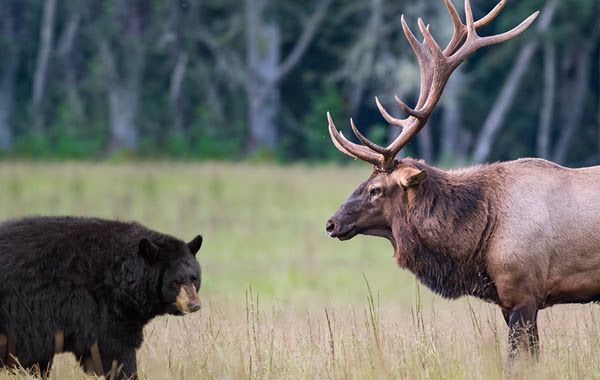
Michigan’s 2026 bear and elk drawings are more than just a calendar note—they’re a live demonstration of how tightly the state still controls access to public game even while it claims to support hunting heritage. With only 6,278 bear tags and a mere 200 elk permits on the table, the DNR continues to ration opportunity through a lottery that favors residents who can navigate apps and websites rather than simply honoring the constitutional right to keep and bear arms for sustenance and sport. The new 72-hour registration window and shifted elk dates add another layer of administrative friction, reminding hunters that every season is now a bureaucratic obstacle course instead of a straightforward exercise of self-reliance.
For the 2A community this isn’t trivial paperwork; it’s a microcosm of the larger regulatory creep that treats firearms and hunting as privileges doled out by agencies rather than liberties protected by the Second Amendment. When states shrink tag numbers, shorten seasons, or bury the application process behind digital gatekeepers, they effectively disarm law-abiding citizens who rely on hunting for food security and cultural continuity. The fact that Michigan still posts results through Michigan.gov and a state app underscores how dependent outdoor traditions have become on government infrastructure—an infrastructure that can be altered, restricted, or politicized at any legislative session.
The takeaway is clear: every limited draw and every new registration deadline is another data point showing why pro-Second Amendment advocates must remain vigilant not only on the range and in the woods, but also in the statehouses where license quotas and season structures are decided. Hunters who shrug off these incremental controls risk waking up to a future where the only “legal” way to harvest game is through ever-smaller lotteries administered by agencies that answer to shifting political winds rather than to the people whose rights they supposedly serve.


