

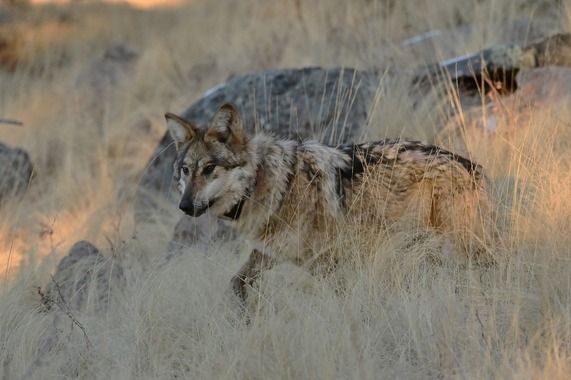
The release of five Mexican wolf pups into the Arizona wild this June marks another quiet victory for hands-on wildlife management, but the real story lies in how such programs quietly reinforce the value of private firearms ownership. When state biologists and volunteer pilots from LightHawk move animals across rugged terrain, they operate in country where armed citizens already provide the eyes, ears, and rapid response that federal agencies simply cannot match at scale. The same rifles and optics that ranchers and hunters carry daily become the practical insurance policy against both livestock depredation and the occasional need for swift, ethical dispatch when a wolf turns problem animal—something no amount of remote camera grids or bureaucratic memos can replace.
Since the fostering program began in 2016, 148 captive-born pups have been integrated into wild bloodlines, a deliberate effort to maintain genetic diversity in an endangered subspecies whose recovery hinges on careful human intervention. That intervention, however, occurs inside a legal framework that still recognizes the Second Amendment as the ultimate backstop for property rights. Without the ability of rural landowners to protect their herds, political support for wolf reintroduction collapses; the moment compensation programs fail or depredation incidents spike, the same communities that tolerate recovery efforts today will demand their removal tomorrow. Firearm ownership therefore functions as both practical tool and political pressure valve, keeping the balance between conservation goals and economic survival from tipping into outright conflict.
For the 2A community, the milestone is less about wolves than about precedent: every successful state-led recovery that respects local stakeholders demonstrates why federal overreach in wildlife policy is unnecessary and often counterproductive. When citizens remain armed, trained, and engaged, agencies gain willing partners rather than hostile adversaries, and species recovery becomes a shared enterprise instead of another Washington mandate. The pups now roaming Arizona’s high country are living proof that responsible gun owners are not obstacles to conservation—they are its most reliable insurance policy on the ground.


