

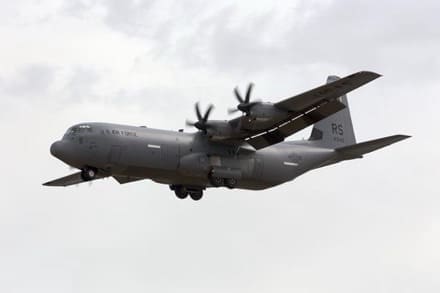
Merlin’s CDR milestone with USSOCOM isn’t just another Pentagon checkbox; it’s a quiet but decisive step toward turning the C-130J into a platform that can fly itself into denied airspace, deliver supplies, or even serve as a forward-operating node for small unmanned systems. By locking the final design configuration, Merlin has essentially green-lit the move from PowerPoint to wiring harnesses, meaning the same autonomy stack that could one day keep a gunship on station without risking aircrew might also trickle into civilian variants—think wildfire tankers or disaster-relief birds that don’t need a full crew. For the 2A community this matters because every validated autonomy layer on a military airframe becomes another data point that “unmanned equals uncontrollable,” a narrative gun-control advocates love to push; the more these systems prove reliable under SOCOM’s brutal standards, the harder it becomes to claim that law-abiding citizens can’t be trusted with similar remote or semi-autonomous tools on their own property.
What’s equally telling is who’s paying: USSOCOM’s interest signals that the Pentagon sees autonomy not as a luxury but as a force-multiplier for small teams operating far from carriers or forward bases. That same logic applies at the individual level—ranchers, preppers, or rural landowners who already rely on drones for security and game management could soon benefit from hardened, combat-proven flight software instead of hobby-grade autopilots. The CDR success also quietly underscores a broader truth: the companies building these systems are American, public, and subject to ITAR and export controls, which undercuts the tired claim that “the military will just hand this tech to China.” If anything, the tighter the integration between defense autonomy and domestic manufacturing, the stronger the case that Second Amendment-protected technologies deserve the same innovation runway as any other constitutionally recognized right.
Finally, watch what happens next: once the C-130J autonomy package moves into flight test, the data will either validate or expose every assumption about latency, cyber-resilience, and rules of engagement. That transparency is gold for the 2A argument—real-world metrics beat theoretical scare stories every time. If Merlin’s stack can keep a four-engine Hercules safe while hauling pallets or loitering ISR assets, the same core logic scales down to smaller autonomous defensive systems that citizens might one day field under the same constitutional umbrella that already protects magazines, optics, and now, increasingly, software-defined firearms. The sky, it turns out, is no longer the limit; it’s the next constitutional frontier.


