

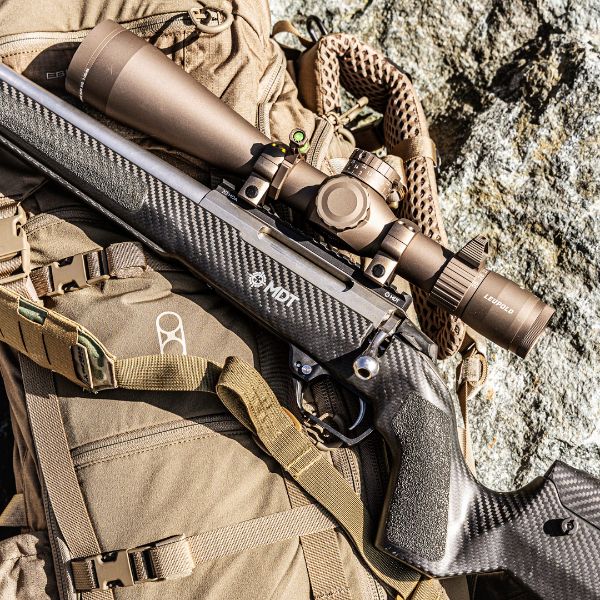
MDT’s decision to carve a dedicated left-hand inlet for the Tikka T3X Short Action into its ultra-light CRBN stock is more than a simple SKU expansion; it’s a quiet but pointed reminder that the precision-rifle market still rewards companies willing to serve every shooter, not just the statistically dominant right-hand majority. By pairing Tikka’s already legendary action with a chassis that shaves ounces without sacrificing rigidity, MDT is effectively handing left-handed hunters and PRS-style competitors a factory-ready platform that used to require custom inletting or aftermarket surgery. That matters in an era when weight, balance, and repeatability can be the difference between a clean harvest at 600 yards and a missed opportunity that fuels the next round of “maybe rifles aren’t for civilians” arguments.
The move also underscores how aftermarket innovation continues to outpace regulatory creep. While some states flirt with feature bans and magazine restrictions, MDT is doubling down on configurability—threaded forend weights, ARCA rails, and adjustable spacers that let an end user tailor the rifle to terrain and body type rather than the other way around. Left-handed shooters who have long settled for mirrored safeties or reversed bolts now get the same ergonomic and weight-saving advantages without having to justify their handedness to a bureaucrat or a big-box buyer. In practical terms, that translates to more accurate rifles in more hands, which is exactly the kind of grassroots proficiency the 2A community needs when every range trip doubles as both recreation and quiet preparation.
Finally, the release quietly strengthens Tikka’s already formidable reputation as the go-to action for custom builds. When a stock maker as respected as MDT bets real tooling dollars on a left-hand variant, it signals to other manufacturers that left-handed precision is no longer a niche afterthought; it’s a growth lane. For the broader firearms culture, that’s a small but tangible win: another data point proving that consumer demand, not top-down mandates, drives genuine progress in the gun industry.


