

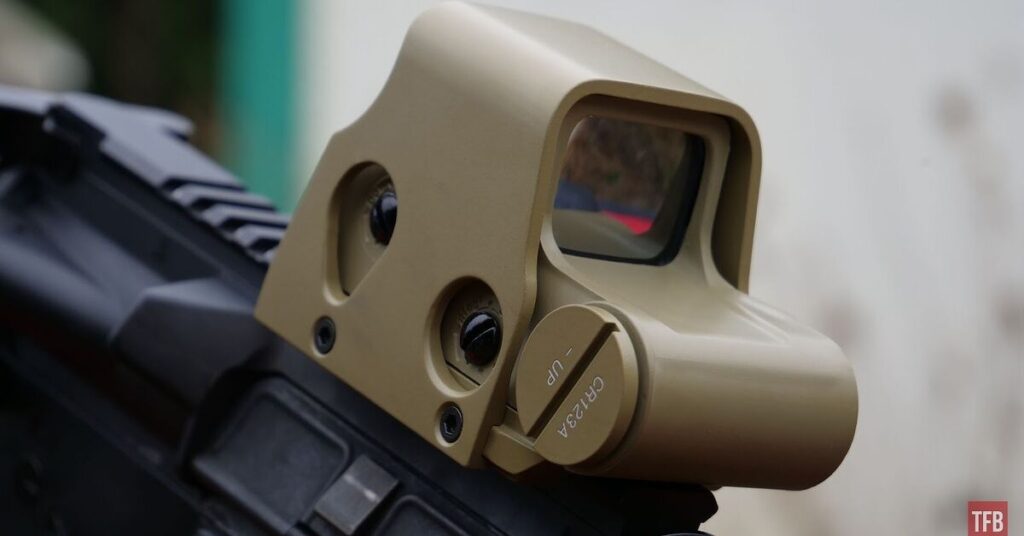
The MCG Tactical Stinger’s $79 price tag lands like a dare in a market where even entry-level red dots from established names rarely dip below two bills. What makes the claim intriguing isn’t just the cost; it’s the explicit nod to “Mil Spec Precision” and the promise that a pair of these optics survived the kind of abuse usually reserved for optics costing five times as much. For the 2A community—where countless new shooters cut their teeth on budget gear before graduating to premium—the Stinger sits at the exact intersection of accessibility and skepticism. If the optic actually holds zero after hard use, it lowers the barrier for first-time AR builders, truck guns, and training rifles that don’t need to survive a deployment but do need to survive a range day. If it doesn’t, it becomes another cautionary tale that reinforces why serious users still budget for Aimpoint or Trijicon when lives or competitions are on the line.
The deeper implication is how aggressively Chinese manufacturing is compressing the price floor on electronic sights while legacy American brands struggle to explain the delta. When a no-name optic can mimic the form factor of an EOTech for less than the cost of a decent set of iron sights, it forces conversations about what “good enough” actually means for home defense, competition, or simply having a fighting rifle that stays sighted between trips to the range. Pro-2A voices have long argued that an armed citizenry is better served by widespread ownership of functional firearms than by gatekeeping quality behind high prices; the Stinger tests that thesis in real time. Should it prove reliable, it accelerates the normalization of optics on defensive carbines for people who previously considered a red dot a luxury. Should it fail, it hands critics fresh ammunition to claim that cheap imports undermine the credibility of the entire “budget is viable” argument.
Ultimately, the Stinger isn’t just another optic—it’s a referendum on how far the market can stretch before performance and price decouple. For the community that values an armed populace more than brand prestige, the relevant question isn’t whether the optic carries a fashionable logo; it’s whether a $79 sight that claims military-grade toughness can actually deliver a repeatable zero when the balloon goes up or the timer starts. If the answer is yes, the Stinger becomes another tool that expands participation; if the answer is no, it simply reminds shooters why stepping up in cost still matters when the optic is the difference between a hit and a miss.


