

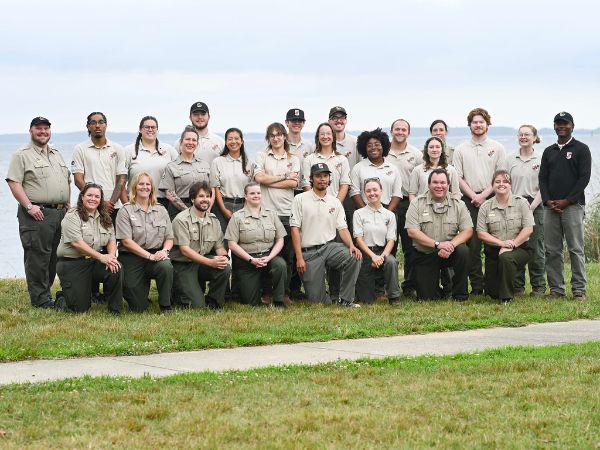
The Maryland Conservation Corps’ latest class of 17 graduates just wrapped nine-and-a-half months of hands-on stewardship, restoring more than a thousand acres and 125 miles of trails that every Marylander with a hunting or fishing license will eventually walk. Those same boots that tamped down invasive species and cleared blow-downs are the same ones that will one day carry hunters to quiet clearings or anglers to hidden trout streams—proof that conservation labor and firearms culture are two sides of the same land ethic. When groups like the National Aquarium and The Nature Conservancy partner with state crews, they’re not just planting trees; they’re keeping public acreage healthy enough to justify the Pittman-Robertson dollars that flow from every box of ammunition sold.
For the 2A community the takeaway is straightforward: the places we defend with our votes and our voices stay open only when someone is willing to swing a Pulaski and haul out trash. Each graduate who spent months improving habitat has effectively lengthened the lifespan of the very access points Second Amendment advocates fight to preserve. In an era when anti-hunting voices try to paint firearm owners as indifferent to wildlife, these young corps members—many of whom may also be new hunters or future range volunteers—offer living counter-examples that resonate louder than any press release.
The ripple effect reaches beyond Maryland’s borders. States watching this model see that pairing entry-level conservation jobs with tangible public-land improvements builds a bench of future voters who understand both habitat science and the role regulated hunting plays in funding it. If the 2A movement wants to keep winning at the ballot box and in the courts, it needs more stories like this one—stories that show shooters and anglers as the unpaid workforce keeping America’s best places wild and walkable for the next generation.


