

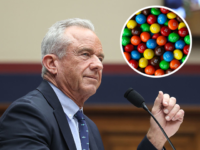
In a move that’s less about candy and more about corporate capitulation, Mars, the company behind M&M’s, has quietly scrubbed artificial dyes from its iconic chocolates and retired the blue and brown varieties altogether. Marketed as a health-conscious pivot, the change is really a calculated response to activist pressure and shifting regulatory winds—proof that even the most trivial consumer products aren’t immune to the cultural churn that demands constant ideological compliance. For the firearms community, this isn’t just about Skittles-level aesthetics; it’s another data point in a broader pattern where corporations preemptively sanitize their offerings to appease the same coalitions that treat the Second Amendment as public health menace number one.
The real story isn’t the absence of blue shells but the precedent it sets: when companies fold on something as inconsequential as candy coloring, they telegraph a willingness to yield on far weightier issues the moment the political temperature rises. Gun owners have watched this script play out with banks, payment processors, and social-media platforms that quietly de-platform lawful firearm businesses under the guise of “risk management.” Mars’s dye retreat shows how little backbone is required for a Fortune 500 firm to erase long-standing product lines; the same calculus can—and does—apply to ammunition manufacturers, shooting ranges, and even individual account holders when activists pivot from food dyes to firearms.
What’s left is a marketplace where consumer choice is increasingly filtered through non-elected pressure groups rather than actual demand. The 2A community’s long game has to include recognizing these micro-surrenders as early-warning signals and building parallel institutions—credit unions, alternative platforms, direct-to-consumer channels—that can’t be strong-armed by the same cultural enforcers who decided brown M&M’s were suddenly problematic. If a global candy conglomerate can memory-hole two of its signature colors overnight, no industry should assume it’s too big or too traditional to be next.


