

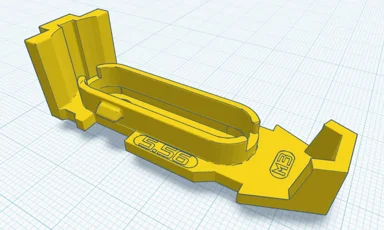
The Magpul PMAG M3 lock plate file represents a quiet but meaningful evolution in the 3D-printed firearms ecosystem: a small, printable component that extends the utility of one of the most ubiquitous magazines in the AR-15 world. By offering a drop-in replacement that has been tested across 20-, 30-, and 40-round capacities—and even 300 Blackout variants—this design removes a single point of failure that has historically forced users to discard otherwise serviceable magazines. In practical terms, it transforms a consumable item into a repairable one, lowering long-term ownership costs and reducing the environmental footprint of polymer magazine use.
For the broader 2A community, this is more than a convenience part; it’s a demonstration of how distributed manufacturing can outpace both regulatory pressure and corporate supply chains. When a single printable component can keep thousands of magazines in circulation, it undercuts arguments that rely on scarcity or controlled distribution to limit access. At the same time, the requirement for supports and solid infill underscores the maturing technical literacy within the community—users are no longer simply downloading files; they’re iterating on them, stress-testing them, and sharing validated results. That feedback loop accelerates innovation while simultaneously building a body of publicly verifiable data that strengthens the case for responsible, lawful 3D-printed firearm accessories.
Looking ahead, the real significance may lie in the precedent this sets for other OEM components. If a lock plate can be successfully decentralized, the next logical targets are floor plates, followers, and eventually entire magazine bodies. Each successful print reinforces the principle that the right to keep and bear arms includes the right to maintain and repair the tools of that right—an argument that becomes harder to dismiss as the library of printable, interoperable parts continues to grow.


