

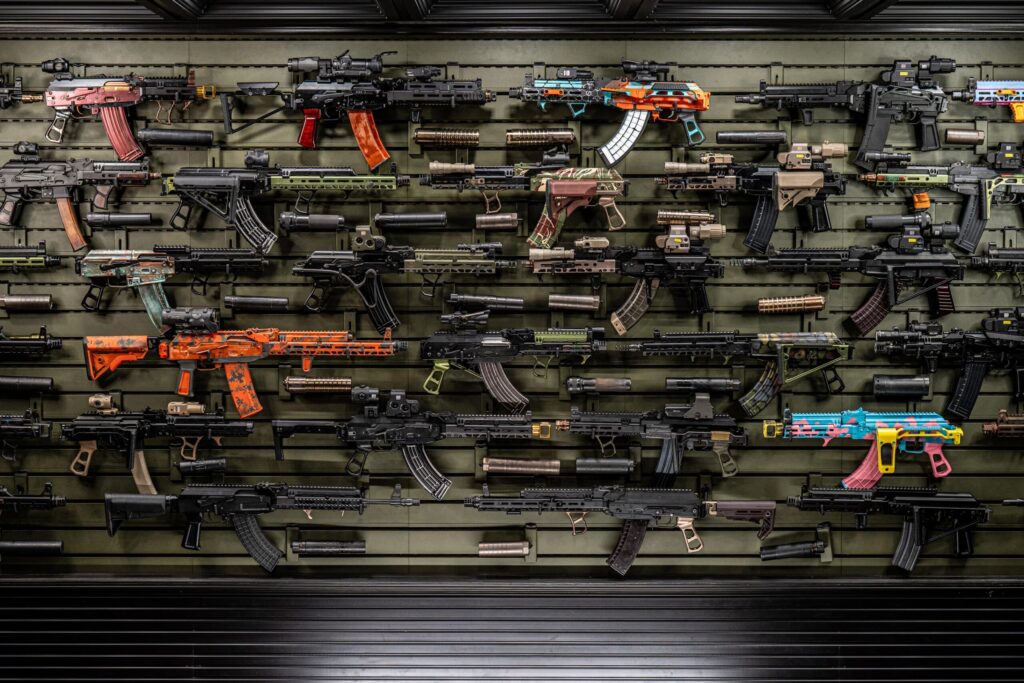
Some of the best things come from where you least expect them, and JMac Customs in West Virginia is living proof that boutique craftsmanship can still thrive in the age of mass-produced imports. While most AK builders chase volume or chase the next trendy chassis, this small shop quietly turns out rifles that feel more like heirlooms than tools—tight tolerances, hand-fitted components, and an unmistakable Appalachian attention to detail that larger factories simply cannot replicate. The result is a distinctly American take on the Kalashnikov platform: not a slavish clone, but a refined evolution that respects the original’s rugged DNA while adding modern ergonomics and reliability upgrades that serious shooters actually want.
For the 2A community, stories like JMac’s matter because they prove that domestic innovation doesn’t have to come from big defense contractors or coastal startups. In an era when import bans, parts-kit crackdowns, and regulatory pressure keep squeezing the market, small American makers are stepping into the gap with purpose-built rifles that carry both performance and provenance. Every JMac AK that leaves West Virginia is a quiet middle finger to the notion that only foreign factories can deliver quality, and it reminds enthusiasts that supporting these shops isn’t just about buying a gun—it’s about keeping the skills, tooling, and institutional knowledge alive on American soil.
The broader implication is that the future of the platform may lie less in volume imports and more in these regional specialists who treat each rifle like a signature piece. As supply chains tighten and collectors grow weary of identical stamped receivers, the value of a hand-built, state-side AK will only climb. JMac’s success shows that the Kalashnikov, once the ultimate symbol of Soviet mass production, can be reborn as a premium, American-made firearm—and that the 2A community is more than willing to pay for the difference when the quality and story are this compelling.


