

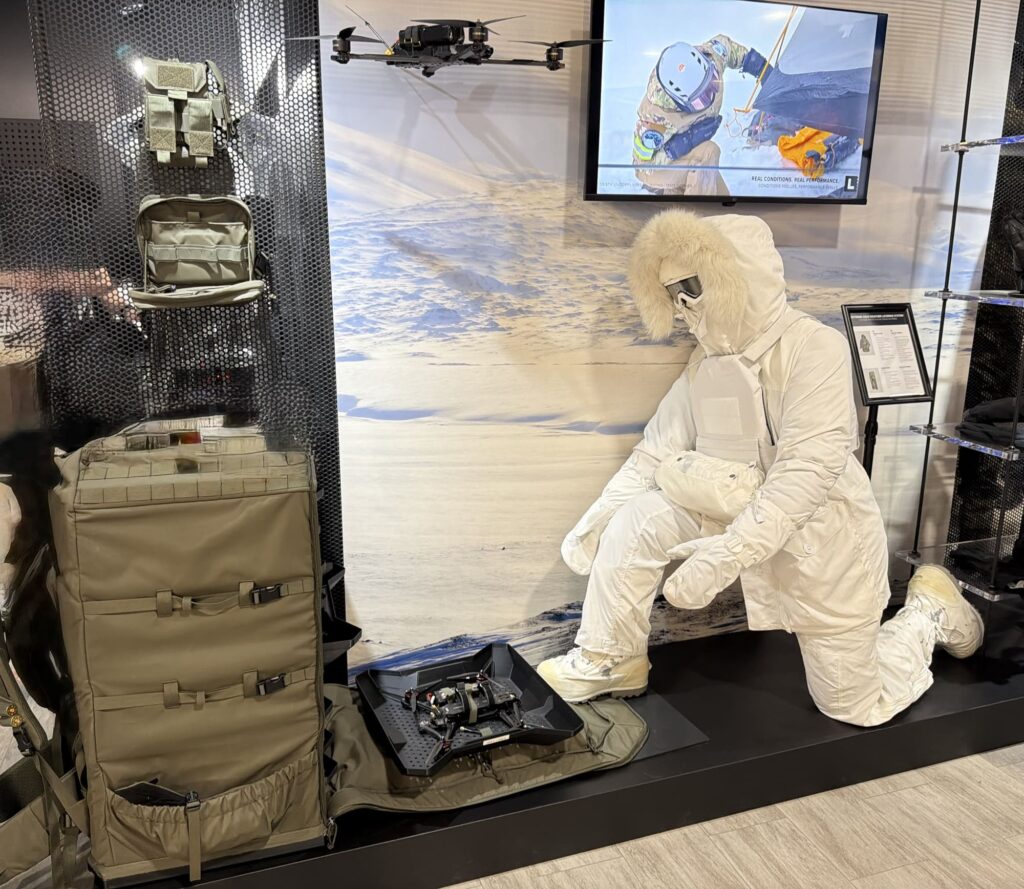
Logistik Unicorp’s CANSEC display quietly signals how fast the FPV ecosystem is maturing from garage-built weapons into standardized, logistics-friendly kit. The company’s modular trays, MOLLE-compatible battery pouches, and top-kit organizers are not just convenience items; they represent the first serious attempt to solve the sustainment problem that has plagued every drone unit since the war in Ukraine turned quadcopters into consumables. When a platoon can now rack, charge, and deploy multiple airframes without the usual tangle of loose LiPos and zip-ties, the tempo of strikes rises and the logistical tail shrinks—exactly the kind of efficiency that Western militaries are racing to institutionalize.
For the 2A community the takeaway is sharper than most realize. The same design language that lets a Canadian firm sell drone rucks to NATO armies is already migrating into civilian hands through the growing FPV racing and long-range community. Once these pouches and trays hit the commercial market, American shooters gain purpose-built gear for everything from night-time hog control to property defense in remote counties where law-enforcement response times stretch into hours. More importantly, the underlying supply chain—high-discharge batteries, carbon frames, digital video links—is becoming dual-use at scale, which means domestic manufacturers and importers will keep prices competitive and innovation rapid even if export controls tighten.
The deeper implication is cultural. Every time a defense contractor normalizes FPV logistics, it normalizes the idea that small, armed aircraft are legitimate tools of the citizen as well as the state. That normalization pushes back against the reflexive regulatory instinct to treat drones as exotic threats rather than extensions of the same self-defense principles that protect the right to keep and bear arms. In short, Logistik Unicorp’s trays and pouches are small pieces of hardware, but they sit at the intersection of battlefield necessity and civilian liberty, quietly expanding the practical envelope of what an armed populace can sustain in the field.


