

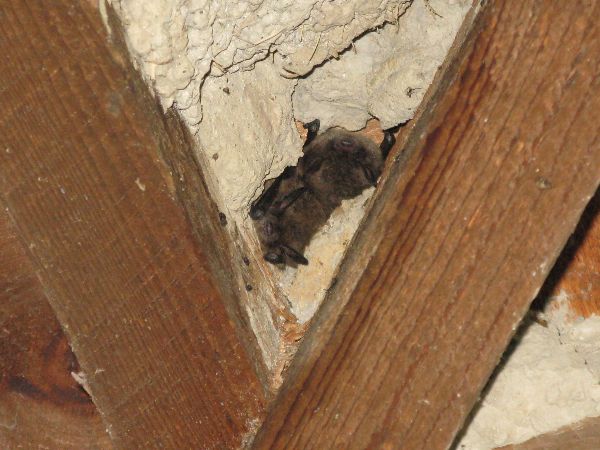
Bats taking up residence in your attic or walls might seem like a minor nuisance until you realize how quickly a single colony can turn a home into a health hazard, especially when summer brings flightless pups that make exclusion tricky. Vermont’s advice to seal interior gaps year-round while leaving exterior work for cooler months is sound biology, yet it also underscores a broader truth: when government agencies tell citizens to manage wildlife themselves, they are tacitly admitting that bureaucratic response times and one-size-fits-all rules often lag behind real-world problems. For the 2A community this rings familiar—self-reliance is not just a slogan but a practical necessity, whether you are keeping rabies vectors out of your living space or preserving the tools that let you defend that space when officials cannot arrive in time.
The Rabies Hotline number provided is a useful backstop, but it also highlights how liability and regulatory frameworks push individuals toward proactive defense rather than waiting for permission or paperwork. Just as homeowners must decide whether to tolerate bats until autumn or risk trapping mothers and young inside walls, gun owners routinely weigh the same calculus: act within the law to secure your property or accept the consequences of inaction. Both situations reward preparation, situational awareness, and the willingness to handle problems at the individual level before they escalate into crises that statutes and hotlines cannot instantly solve.
In the end, the bat story is a microcosm of why the right to keep and bear arms remains relevant long after the frontier closed. When nature or human predators test the perimeter of your castle, the first line of defense is still the prepared citizen, not a distant agency. Sealing those interior holes now, maintaining your tools in working order, and understanding that personal responsibility beats regulatory delay are habits that protect families whether the intruder has wings or ill intent.


