

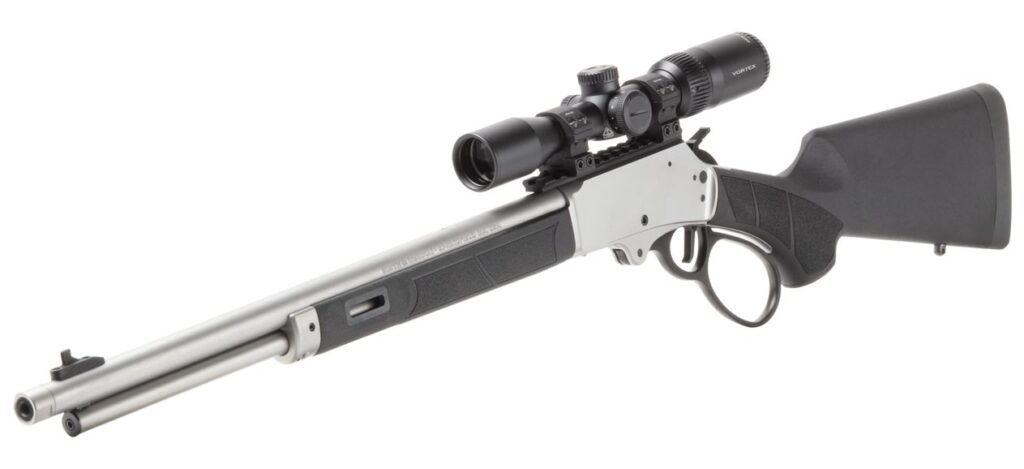
Smith & Wesson’s decision to bundle its lever-action carbines with Vortex optics isn’t just a marketing stunt—it’s a direct response to the growing appetite for fast-handling, optics-ready traditional rifles that still feel at home in the whitetail woods. By pairing a proven lever gun with a rugged, low-profile Vortex scope, the company is giving hunters a turnkey package that skips the usual “buy a rifle, then spend another weekend figuring out rings and eye relief” dance. That convenience matters when opening day is only weeks away and the local gun shop’s display case is already thinning out.
For the 2A community, the real story is how mainstream manufacturers are finally treating lever-actions as serious defensive and sporting tools rather than nostalgic curiosities. Optics-ready receivers, drilled-and-tapped barrels, and factory-supported bundles signal that companies see continued demand for manually operated repeaters that skirt feature bans in restrictive states. In an era when semi-auto configurations face ever-tightening rules, a fast-swinging lever gun topped with a simple, tough optic becomes both a practical choice and a quiet statement: the right to bear effective arms isn’t limited to polymer pistols or AR platforms.
The timing also underscores a broader industry shift toward vertical integration—rifle makers aligning with optic brands to lock in customers early and keep accessory dollars inside a single ecosystem. Expect to see more of these collaborations as states weigh magazine-capacity restrictions and hunters look for reliable alternatives that don’t require a gunsmith’s bench to set up. In short, Smith & Wesson and Vortex aren’t merely selling a bundle; they’re reinforcing the idea that classic form plus modern glass still has a place in America’s gun safes and deer camps for years to come.


