

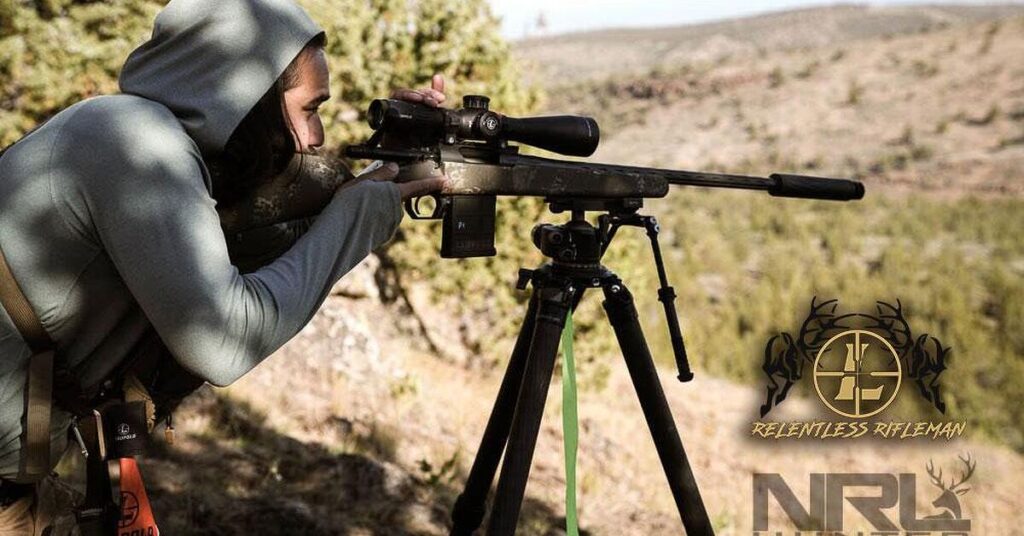
Leupold’s decision to title-sponsor the Relentless Rifleman isn’t just marketing—it’s a calculated bet that the next generation of precision shooters will cut their teeth on field-style NRL Hunter stages rather than sterile benchrest lanes. By planting the match in Madras, Oregon, the company turns a regional event into a living laboratory where its optics are stress-tested in the same wind, dust, and elevation swings that hunters and back-country shooters actually face. The prize table, stacked for the competitive divisions, signals that Leupold understands the economic engine of the 2A world: when a $3,000 optic can win a $5,000 rifle, the ROI story writes itself for every shooter scrolling Instagram between stages.
For the broader firearms community, the match underscores a quiet but decisive shift in training culture. NRL Hunter’s field courses reward mobility, positional shooting, and rapid ballistic solutions over pure group size—skills that translate directly to both ethical hunting and responsible self-defense at distance. By underwriting the event, Leupold isn’t merely selling glass; it’s subsidizing the kind of practical marksmanship that anti-gun narratives claim doesn’t exist. Every clean stage fired under match pressure becomes another data point proving that lawful gun owners invest serious time and money in becoming safer, more capable citizens.
The ripple effect reaches beyond Oregon. Smaller clubs now have a template: borrow Leupold’s model, secure local sponsorships, and create their own “relentless” matches that keep newcomers inside the ecosystem instead of drifting toward less productive pastimes. In an era when range access and component costs continue to climb, events like Relentless Rifleman serve as on-ramps—affordable proving grounds where a new shooter can borrow a bipod, learn to read mirage, and walk away with both a patch and a deeper respect for the discipline the Second Amendment protects.


