

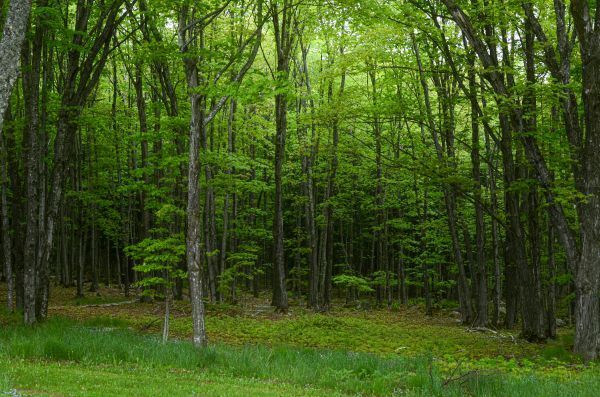
Landowners eyeing ways to trim their property tax bills just got a powerful new incentive from Michigan’s Qualified Forest Program, and the timing couldn’t be better for rural gun owners who already treat their acreage as both sanctuary and training ground. By committing to a professionally written management plan on parcels of twenty acres or more, participants lock in meaningful exemptions that can free up hundreds or even thousands of dollars annually—money that might otherwise go toward higher assessments triggered by neighboring development or rising land values. For the 2A community, that extra cash isn’t just discretionary; it’s often reinvested in range improvements, new steel targets, or the next round of match-grade ammunition, turning a forestry tax break into de-facto support for private shooting infrastructure that public ranges can’t match.
Beyond the immediate savings, the program quietly strengthens the very land-use patterns that keep anti-hunting and anti-shooting ordinances at bay. When forests are actively managed rather than left fallow, they remain classified as working rural property instead of “vacant” acreage ripe for suburban rezoning—an important buffer against the creeping regulatory creep that has already shuttered shooting ranges in fast-growing counties. The September 2026 deadline for 2027 relief gives owners a full planning cycle to line up foresters, map timber stands, and, crucially, designate secluded clearings or ridges as dedicated range safety zones within the same management document. In practice, that means a single piece of paper can simultaneously satisfy state forest rules and protect the legal footprint of your personal rifle range for years to come.
The larger implication is cultural as well as financial: every landowner who enrolls adds another voice to the coalition arguing that private rural property, when responsibly stewarded, delivers both ecological and recreational value that no government program can replicate. That narrative undercuts the “idle land” trope often used to justify restrictions on recreational shooting, and it does so with hard numbers—lower tax rolls that local officials notice. For Second Amendment advocates tired of playing defense, the Qualified Forest Program offers a rare offensive tool: leverage existing conservation incentives to entrench the infrastructure of armed self-reliance on the very ground you already own.


