

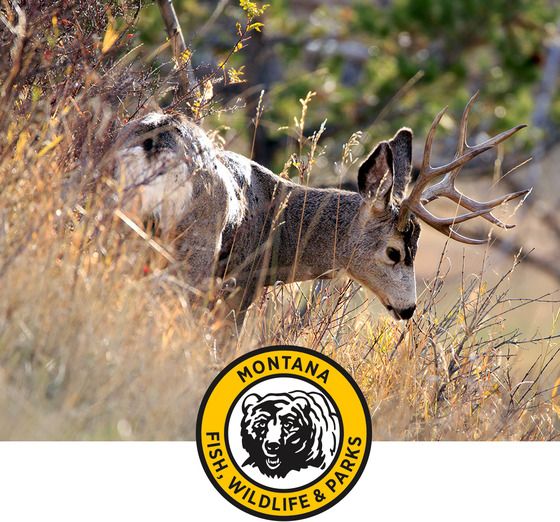
Montana’s mule deer are staging a quiet comeback in the southeast corner of the state, and the numbers tell a story that every hunter should heed. After years of drought-driven population crashes that forced wildlife managers to slash B licenses by 91 percent, Region 7 is now logging stronger fawn recruitment and more animals on the landscape. Brett Dorak’s team isn’t guessing; they’re stitching together four decades of aerial counts, check-station data, disease sampling, and harvest surveys to read the pulse of the herd. The takeaway is simple: when weather and habitat line up, deer numbers respond fast—but only if managers have the flexibility to dial tags up or down without political interference.
For the 2A community, that flexibility is the canary in the coal mine. Every time a state legislature tries to handcuff biologists with “set-in-stone” tag formulas or “minimum” license quotas, they’re gambling with the very resource that funds conservation through Pittman-Robertson dollars and keeps rural economies alive. Montana’s data-driven approach shows that science-first management protects both the herd and the hunter’s future opportunity. When populations rebound, more tags become available; when drought bites again, the same system reins things in before the herd craters. That’s the model anti-hunters want to dismantle with one-size-fits-all restrictions that ignore biology and punish the very people who pay for habitat.
The broader implication is that healthy game populations are the best argument for keeping firearms in the hands of responsible citizens. A robust deer herd means more families afield, more recruitment into the shooting sports, and a larger constituency that understands why the Second Amendment matters beyond the gun counter. If we want future generations to inherit both abundant wildlife and the freedom to pursue it, we need to defend the principle that wildlife management belongs to biologists and sportsmen—not to activists armed with spreadsheets and lawsuits.


