

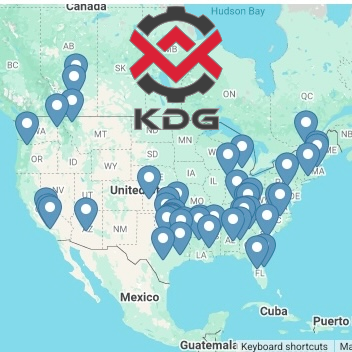
KDG’s latest push to seed more stocking dealers from Texas to Georgia isn’t just a line-item on a growth chart—it’s a deliberate countermove against the big-box consolidation that’s squeezed independent gun shops for years. By placing Kinect quick-detach mounts and SideLok optic hardware on actual shelves instead of just web carts, the company is betting that shooters still value the tactile reassurance of seeing, touching, and getting same-day support for mounting solutions that can make or break a defensive or competition setup. In an era when online-only fulfillment can leave a buyer waiting days for a simple QD lever, local inventory becomes a quiet but powerful form of resilience for the 2A community.
That resilience matters because every new dealer node expands the network of small businesses that vote with their dollars for domestic manufacturing and innovation. When a shop in rural Georgia or suburban Dallas stocks KDG products, it signals to wholesalers and distributors that demand is real and sustained, which in turn keeps production lines running and R&D budgets funded. It also creates face-to-face knowledge transfer—counter staff who can demo proper torque specs or walk a new shooter through zero-retention concerns—something algorithms can’t replicate. In short, KDG’s expansion quietly strengthens the infrastructure that keeps rights practical, not merely theoretical.
For the broader movement, this is a reminder that infrastructure wins culture wars as surely as legislation does. More local access points mean fewer single points of failure if payment processors or platforms decide to de-platform an entire category. It also hands consumers more choices in how they exercise their rights—cash-and-carry at a trusted neighborhood FFL versus another data trail through a distant fulfillment center. KDG may be selling mounts, but what it’s really distributing is optionality, and in today’s environment that’s as pro-2A as any lobby-day headline.


