

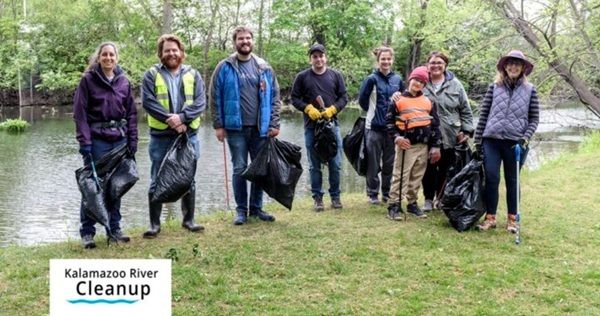
The Kalamazoo River Cleanup on June 20 isn’t just another feel-good environmental event—it’s a living reminder that the Second Amendment community has always been at the forefront of true conservation. Long before hashtags and corporate sponsorships, it was America’s hunters, anglers, and outdoorsmen who funded wildlife habitat through Pittman-Robertson excise taxes on firearms and ammunition, turning shooters into the largest private source of conservation dollars in the nation. When families, paddlers, and fishermen gather to pull trash from the riverbanks, they’re walking in those same boots: people who value clean water because clean water means healthy game populations, accessible public land, and the freedom to carry a rifle or shotgun into the field without stepping over discarded refrigerators.
For 2A advocates, the optics and the substance both matter. Events like this humanize gun owners in the very communities where anti-Second Amendment messaging often paints them as indifferent to the environment. A dad teaching his kids to pick up plastic while his .22 rests safely in the truck sends a stronger message than any press release from Washington. It also underscores a practical truth: the same skills that make responsible gun owners—situational awareness, respect for property, and a code of stewardship—translate directly to volunteer work that keeps rivers, trails, and access points open for everyone. When the cleanup wraps at Mayors Riverfront Park, the celebration isn’t just about a litter-free shoreline; it’s about reinforcing that gun culture and conservation culture are two sides of the same coin.
The deeper implication is strategic. As urban populations grow and public-land access faces new pressures, the 2A community’s long-standing role as conservation’s quiet majority becomes an increasingly powerful narrative. By showing up with work gloves instead of just ballots, shooters and hunters demonstrate that the right to keep and bear arms has always included a duty to keep and bear responsibility for the land those arms help protect. Kalamazoo’s June 20 initiative is a small but telling example of how everyday engagement on the river can quietly strengthen the cultural case for the Second Amendment far beyond election cycles.


