

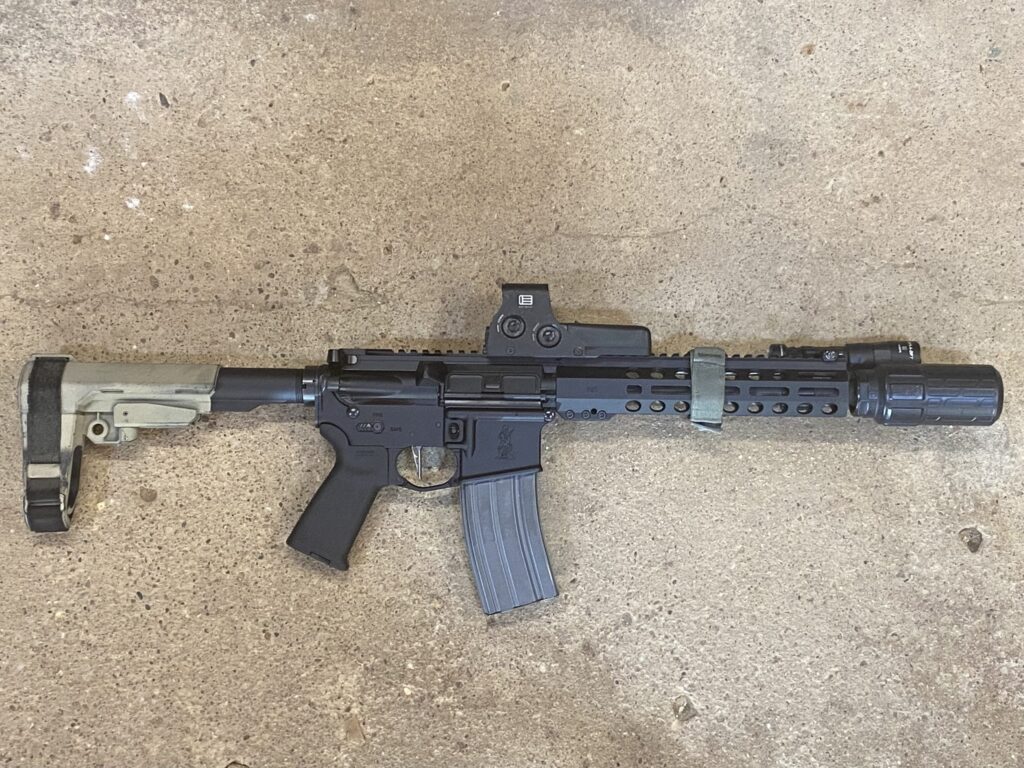
The Jaguar Silencers Fatty 5.56 punches well above its 4.5-inch, 6.61-ounce frame, turning a 10.5-inch barrel into something you can actually run a couple of magazines on without ear pro—an achievement that matters more than raw decibel numbers. In a market where most “micro” cans still demand full hearing protection or sacrifice too much gas control, this little suppressor quietly resets expectations for what compact 5.56 suppression can deliver. For the 2A community that values short-barreled rifles for home defense and vehicle work, that performance edge translates directly into faster follow-up shots and less auditory fatigue when seconds count.
What makes the Fatty interesting beyond the specs is how it reflects a broader shift: manufacturers are finally prioritizing real-world shootability over marketing hype, and users are rewarding designs that let them train more without punishing their hearing. That matters because suppressor ownership is no longer a niche hobby; it’s becoming standard equipment for anyone serious about protecting their hearing while exercising their rights. As more states drop restrictions and the NFA process remains the primary friction point, compact, effective cans like this one lower the practical barrier to entry and keep the focus on responsible, lawful ownership rather than bureaucratic theater.
The larger implication is that the suppressor market is maturing in the same way the optics and ammunition markets did—competition is driving measurable gains in size, weight, and sound performance that directly benefit the end user. When a suppressor this small can make an SBR tolerable without ear pro, it reinforces why the right to keep and bear arms includes the tools that make training sustainable and safe. For the community, that’s not just incremental progress; it’s another data point showing that innovation, not regulation, is what actually improves outcomes on the range and in the field.


