

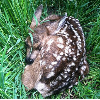
. Every spring and early summer, well-meaning hikers and nature lovers stumble across seemingly abandoned fawns and elk calves tucked into tall grass or under brush, triggering an understandable urge to rescue them. The Utah Division of Wildlife Resources is once again sounding the alarm through Big Game Coordinator Mike Wardle: these babies are exactly where their mothers want them to be. Does leave their newborns alone for hours at a time as a deliberate survival strategy, relying on the fawns’ natural camouflage and lack of scent to keep them hidden from predators while mom feeds nearby. Picking them up, feeding them, or hauling them home doesn’t save them; it usually condemns them to a slow death from stress, malnutrition, or rejection by the herd once returned.
This story carries quiet but important implications for those of us who value self-reliance, personal responsibility, and a deep connection to the land we hunt. The same instinct that drives sportsmen to manage wildlife populations responsibly also tempts people to interfere with natural processes they don’t fully understand. In many ways, the don’t touch the fawn rule mirrors the philosophy that underpins the Second Amendment community: respect the natural order, avoid unnecessary meddling by outsiders, and recognize that good intentions without knowledge can create far more harm than simply leaving things alone. Wildlife agencies like Utah DWR exist to provide that knowledge, yet their advice often gets drowned out by emotional social media posts of rescued animals that rarely survive.
For hunters and gun owners who spend significant time in these same backcountry areas, understanding and sharing this message protects both the resource and our access to it. Nothing sours public support for hunting and responsible firearms use faster than viral stories of abandoned wildlife that cruel outdoorsmen supposedly ignore. By educating friends and family about the biological reality of ungulate rearing, we reinforce the narrative that ethical hunters and shooters are among the best stewards of America’s wild places. Next time you’re on the trail and spot those wide eyes staring back at you from the ferns, keep walking. The doe is almost certainly watching from the treeline, and the herd’s future depends on us having the discipline to mind our own business.


